
Rudbeckia hybrid
Rudbeckia hybrid (L.)
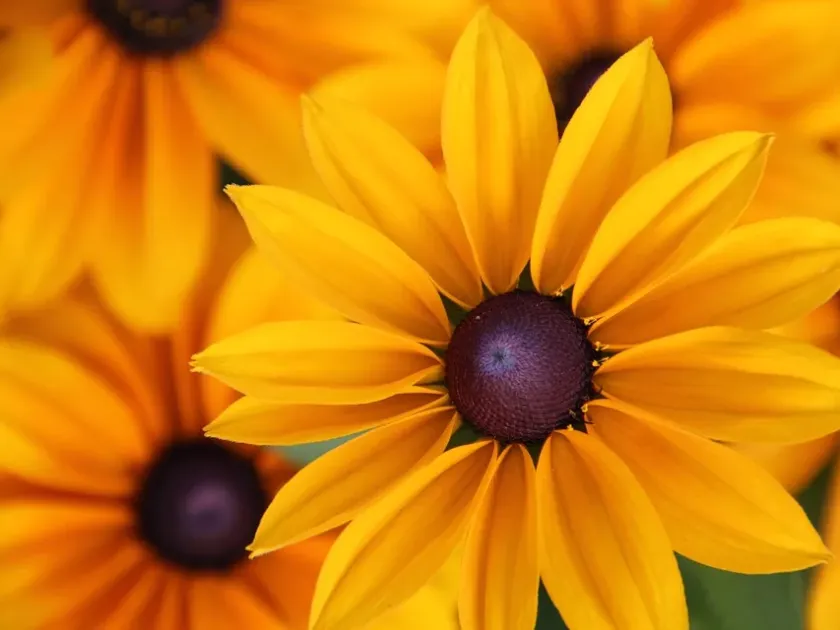
Description
Sowing dates
Rudbeckia hybrid is a member of the Asteraceae family, encompassing a wide range of cultivars developed for superior ornamental traits. It is widely cultivated for its vibrant, daisy-like flowers and robust growth habit in various agricultural and landscaping applications.
Propagation is typically done via seeds, which are sown indoors in early spring. The seeds require light to germinate, so they should be surface-sown on a moist, fine-textured seed-starting mix. Covering them with a very thin layer of vermiculite helps maintain humidity without excluding light.
Germination usually takes 14 to 21 days at temperatures between 18 and 21 degrees Celsius. Once the seedlings develop two sets of true leaves, they should be transplanted into individual cells to prevent overcrowding and to promote the development of a strong root system.
Hardening off is a vital step before outdoor planting. Over a period of two weeks, plants should be gradually exposed to outdoor conditions to acclimate them to direct sunlight and wind, ensuring better establishment in the field.
Field spacing typically ranges from 30 to 45 centimeters depending on the specific cultivar height. Proper spacing is essential to ensure adequate airflow, which is the primary factor in preventing moisture-related plant diseases in dense plantings.
Growing requirements
Rudbeckia hybrids perform best in full sun, requiring at least six to eight hours of direct sunlight daily to produce maximum blooms. While they can tolerate partial shade, insufficient light often results in weak, spindly stems and reduced flowering intensity.
The ideal soil is well-drained, fertile, and slightly acidic to neutral in pH. Soils that are prone to compaction should be amended with organic matter like compost or aged manure to improve aeration and moisture retention during the growing season.
Water management is crucial during the establishment phase. Once mature, these plants show moderate drought tolerance, but consistent irrigation during the peak blooming stage significantly increases the duration and quality of the floral display.
Fertilization should be managed to avoid excessive nitrogen, which can lead to lush vegetative growth but poor flowering. A balanced, slow-release fertilizer applied once in the spring is generally sufficient for most soil types to sustain healthy development.
Weed control is necessary during the early growth stages of the plants. Since Rudbeckia hybrids have shallow root systems, shallow cultivation or the use of organic mulch is recommended to suppress weeds without damaging the crop's root structure.
Main diseases and pests
Powdery mildew is the most common fungal disease affecting Rudbeckia hybrids, particularly in humid or stagnant air conditions. Improving plant spacing and avoiding overhead irrigation can significantly reduce the incidence of this pathogen.
Aphids and spider mites are frequent pests that thrive during hot, dry weather. Regular scouting is recommended, and if populations reach threshold levels, the use of insecticidal soaps or specific horticultural oils is preferred to control them while preserving beneficial insects.
Root rot, often caused by Pythium or Phytophthora species, occurs in poorly drained soils. Improving field drainage is the primary defense, as established plants are quite resilient once they have a well-oxygenated root zone.
Crop rotation is a standard agronomic practice to prevent the buildup of soil-borne pathogens. Rotating Rudbeckia with non-Asteraceae crops every three years helps maintain soil health and reduces the need for chemical intervention.
For large-scale cultivation, prophylactic fungicide programs can be implemented during periods of high humidity. Selecting resistant cultivars during the planning stage is a proactive strategy for sustainable production and reduced chemical input.