
Orange coneflower
Rudbeckia fulgida Aiton x R. hirta L.
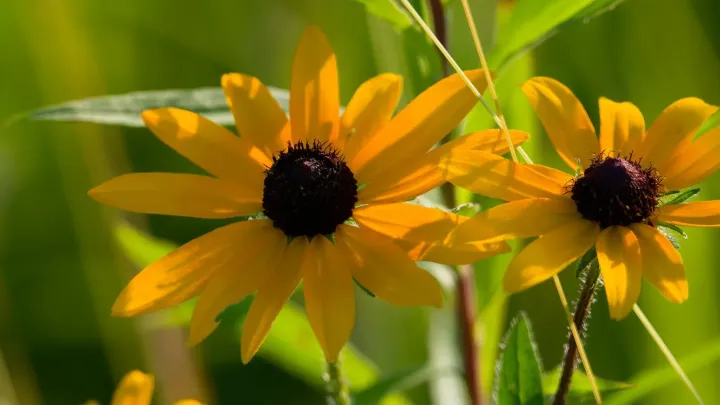
Description
Sowing dates
Rudbeckia fulgida, commonly known as the orange coneflower, is a robust perennial that can be propagated effectively through seeds or root division.
When starting from seeds, sow them indoors in late winter or early spring using a sterile seed-starting mix to ensure a healthy root system.
Direct outdoor sowing is best performed in the spring once the danger of frost has passed and the soil temperatures rise to at least 15 degrees Celsius.
Seeds are tiny and require light exposure to germinate; therefore, press them gently onto the soil surface without covering them with a thick layer of soil.
Thin out seedlings or transplant them to their permanent garden location once they have established two or three sets of true leaves.
Growing requirements
A member of the Asteraceae family, Rudbeckia fulgida is native to North America and thrives in diverse environmental conditions across the continent.
Full sun is essential for optimal growth, as it encourages dense foliage and a more prolific display of its characteristic golden-yellow flowers.
The plant performs best in moist, fertile, well-drained soil, though it is quite resilient and can tolerate periods of moderate drought once established.
Regular watering is beneficial, particularly during the peak of summer when heat stress may occur, though care should be taken to avoid waterlogging.
It is a highly hardy species, generally able to withstand harsh winter conditions without specialized protection, making it a reliable garden choice.
Main diseases and pests
Powdery mildew is the most common fungal issue for this species, appearing as a white, dusty layer on leaves during humid and warm weather cycles.
Leaf spots, often caused by bacterial or fungal infections, can also occur, particularly if there is poor air circulation around the plants.
Pest pressures include aphids and spider mites, which can sap the plant's vitality; monitoring the undersides of leaves is vital for early detection.
Integrated pest management, including the use of neem oil or insecticidal soaps, is usually sufficient to handle minor infestations without harmful chemicals.
Preventative cultural practices, such as providing adequate space between plants and cleaning up debris in autumn, are crucial for disease mitigation.
Harvesting
Rudbeckia fulgida is primarily used in landscape design, perennial borders, and as a high-quality cut flower for professional floral arrangements.
For floral use, stems should be cut when the flowers are fully opened to ensure the longest possible vase life, which often exceeds ten days.
Deadheading the spent blossoms throughout the season is highly recommended to encourage secondary blooms and maintain a tidy appearance.
After the first killing frost in autumn, the entire plant should be cut back close to the ground to allow for proper winter dormancy.
Every few years, gardeners should divide the clumps to revitalize the plant and prevent overcrowding, ensuring continued vigor in the floral display.