
Two-colored coneflower
Rudbeckia bicolor Nutt.
Description
Sowing dates
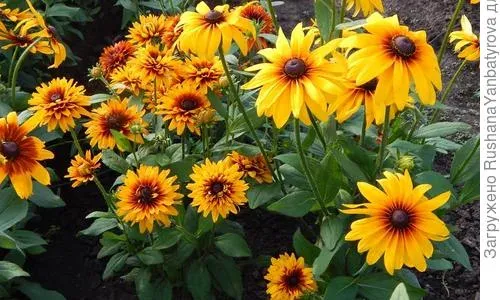
Rudbeckia bicolor Nutt., commonly known as the two-colored coneflower, is a striking annual member of the Asteraceae family. Originating from the grasslands of North America, it is highly valued for its intense, contrasting yellow and maroon flower petals.
Propagation is primarily achieved through seeds. In cooler climates, sowing should begin indoors in late winter or early spring, using a sterile seed-starting mix to prevent damping-off disease in young seedlings.
Seeds require light to germinate and should be pressed firmly into the surface of the soil without deep burial. Maintaining a steady ambient temperature of around 20 degrees Celsius will promote uniform germination within two to three weeks.
Seedlings should be thinned or transplanted into individual pots once they develop true leaves. A gradual acclimatization period is crucial before moving the young plants to their permanent outdoor location.
For direct outdoor sowing, wait until all danger of frost has passed. Ensure the planting site receives at least six to eight hours of direct sunlight per day to achieve optimal plant vigor.
Growing requirements
The plant thrives in well-draining, moderately fertile soil. While it can adapt to various soil types, avoid heavy, waterlogged clays, as they significantly inhibit root development and promote fungal pathogens.
Watering requirements are moderate. During established growth, the plants benefit from consistent moisture, but the soil should be allowed to dry slightly between waterings to encourage a deeper, stronger root system.
Fertilization should be handled with care. Excess nitrogen often leads to excessive foliage growth at the expense of floral production. A balanced, slow-release fertilizer applied during the early vegetative stage is usually sufficient.
Air circulation is vital for this species. When planning the garden layout, avoid overcrowding to minimize the risk of humidity-related foliage issues that are common in dense plantings.
In regions prone to high winds, consider providing lightweight support for the stems. Keeping the plants upright ensures that the decorative flower heads remain clean and undamaged by soil contact during rain showers.
Main diseases and pests
Powdery mildew is a common concern, particularly in late summer when humidity levels fluctuate. Proper plant spacing and avoiding overhead watering help mitigate the spread of this fungal condition.
Bacterial leaf spots may occur under conditions of poor ventilation. If spotting is detected, infected leaves should be removed and destroyed to prevent the disease from spreading to healthy plant tissues.
Pests such as aphids and spider mites can colonize the growing tips and undersides of leaves. Regular monitoring and the application of insecticidal soaps or biological controls are effective management strategies.
Nematodes, while less frequent, can cause stunted growth and yellowing of the foliage. Crop rotation and maintaining healthy soil microbial activity are the best defensive measures against subterranean pests.
- Use disease-free seed stock.
- Remove plant debris at the end of the season.
- Ensure adequate spacing for airflow.
Harvesting
Harvesting Rudbeckia bicolor for floral arrangements should be done when the flower heads are fully open but not yet shedding pollen. This stage ensures the best vase life and color intensity for cut flowers.
Stems should be cut cleanly with a sharp, sanitized knife. Immediately placing the cut ends into warm water helps improve water uptake and prevents premature wilting in the cut bouquet.
For seed saving, allow the flower heads to remain on the plant until they are thoroughly dry and brown. The seeds are ready for collection when the center cone becomes firm and brittle to the touch.
After threshing the dry cones, store the seeds in breathable containers in a cool, dark, and dry location. This ensures the viability of the seed lot for the following planting season.
General site maintenance after the growing season involves pulling up the dead annual plants and incorporating organic matter back into the soil to improve structure for future plantings.