
Rudbeckia laciniata
Rudbeckia laciniata L.
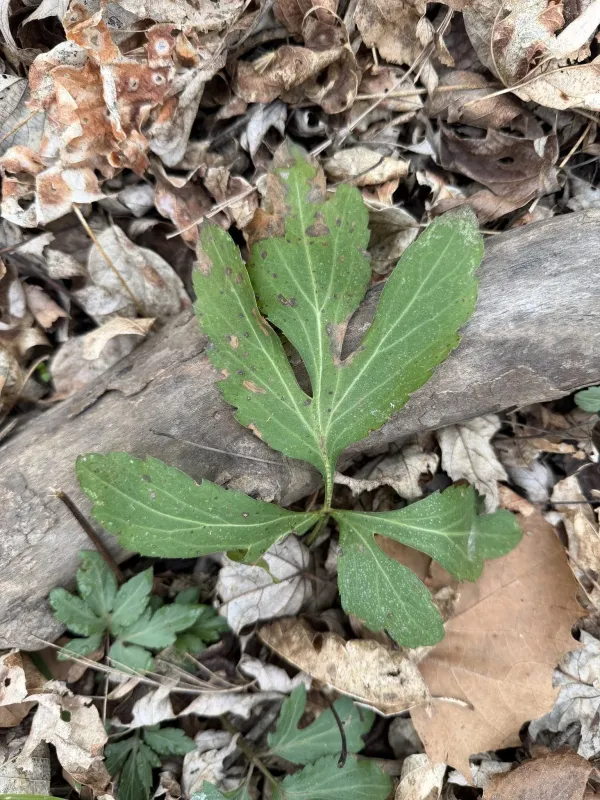
Description
Sowing dates
Rudbeckia laciniata, commonly known as cutleaf coneflower, is a robust herbaceous perennial belonging to the Asteraceae family. It is best propagated by division of the rootstock in early spring or autumn.
When propagating via seeds, they should be sown in prepared soil after the last frost or started indoors in seed trays during late winter. Cold stratification of seeds is highly recommended for optimal germination.
The seeds should be covered lightly with soil and kept moist until germination occurs. Proper spacing of 45–60 cm is crucial as these plants are vigorous growers that can reach significant heights.
In commercial landscapes, it is important to manage the root systems to prevent the plant from becoming invasive, as it tends to spread rapidly through underground rhizomes.
Establishing the plants in groups helps to create a naturalized look, which is often desired in wildflower gardens or large border landscapes.
Growing requirements
This species thrives in full sun but tolerates partial shade. In areas with intense summer heat, light afternoon shade is preferred to prevent wilting.
The soil should be rich, moist, and well-drained. The plant shows high tolerance for various soil types, but performs best in loamy, nutrient-dense environments.
Regular watering is essential, especially during the peak of the growing season. The plant has a high water requirement due to its large leaf surface area and height.
Rudbeckia laciniata is extremely hardy and can withstand harsh winter conditions without additional protection, making it an excellent choice for cold climate gardens.
Fertilizing with a balanced, slow-release fertilizer in early spring supports the development of strong, tall stems and maximizes the number of blossoms.
Main diseases and pests
Powdery mildew is the most common disease affecting this species, particularly when air circulation is limited or when the plant is kept in overly damp conditions.
Pests such as aphids and leaf miners may occasionally infest the plants. Management involves using insecticidal soaps or neem oil in cases of severe infestation.
Preventative measures include avoiding overhead irrigation to keep foliage dry and ensuring sufficient spacing between plants to maintain good air movement.
Root rot can occur if the soil is poorly drained, which is why proper site selection regarding soil texture is the first line of defense against plant decay.
Monitoring for signs of pests or fungal growth should be performed weekly during the active growth period to ensure early intervention and long-term health.
Harvesting
Cut flowers should be harvested when the blossoms are fully open but not yet aged. They are highly valued for their longevity in floral arrangements.
At the end of the season, once the foliage begins to brown and die back, the plants should be cut down to near ground level to prepare for winter dormancy.
Seed collection involves harvesting the dried, dark seed heads in late autumn. These heads should be stored in a dry place to ensure the viability of the seeds.
Regular deadheading of spent flowers throughout the summer months can encourage additional blooms and prevent the plant from self-seeding excessively.
Dividing the clumps every few years is essential to maintain plant vigor and prevent the center of the colony from becoming woody or depleted of nutrients.