
Orange coneflower
Rudbeckia fulgida Aiton var. speciosa (Wender.) Perdue
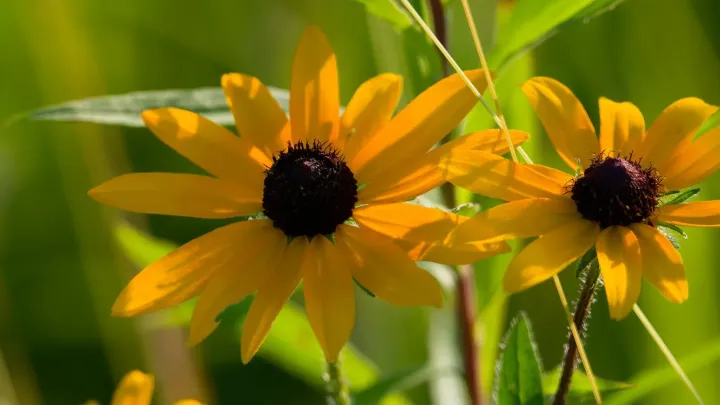
Description
Sowing dates
Sowing seeds of Rudbeckia fulgida var. speciosa for seedlings should take place in March or early April. This timeframe ensures robust plants ready for outdoor planting after the frost risk subsides.
Seeds are sown on the surface of a light substrate, covering them lightly with fine sand. Maintaining a temperature of 20-22 degrees Celsius is essential for optimal germination rates.
Autumn sowing is also a viable option in regions with mild winters. Planting seeds directly into the soil in October allows for natural stratification, which promotes vigorous growth in the spring.
When transplanting, maintain a spacing of 40 to 50 centimeters between plants. Proper spacing is crucial to ensure adequate airflow and prevent the development of foliage diseases.
Vegetative propagation via root division is highly effective for mature plants. This procedure is typically performed in early spring to maintain the plant's vitality and floral density.
Growing requirements
Rudbeckia fulgida var. speciosa belongs to the Asteraceae family. Originating from North American prairies, it is a hardy perennial valued for its long-lasting, bright yellow blooms.
This species thrives in well-drained, fertile soils with neutral to slightly acidic pH. It performs best when supplied with consistent moisture throughout the growing season.
Full sun is required for optimal performance. While the plant can tolerate partial shade, maximum flowering and structural integrity are achieved in direct sunlight exposure.
Regular irrigation is vital during hot, dry summer periods. Mulching the base of the plants helps to retain soil moisture and suppresses weed growth effectively.
Supplementary fertilization with balanced NPK formulas during the pre-blooming stage enhances the plant's vigor and extends the overall flowering period significantly.
Main diseases and pests
Powdery mildew is the most common disease affecting this crop, particularly in stagnant, humid environments. Maintaining proper spacing is the best preventative strategy.
Leaf spots caused by fungal pathogens can appear during exceptionally wet seasons. Removing infected foliage and improving ventilation around the plants are essential management steps.
Aphids and leaf beetles are frequent pests that can cause damage to young shoots and floral buds. Monitoring the plants during early development is recommended for timely intervention.
Nematode infestations in the root zone may occur in older plantings, leading to stunted growth. Crop rotation is highly advised to maintain soil health for future seasons.
Integrated pest management, including the use of targeted biological agents or soaps, is preferred over broad-spectrum pesticides to preserve beneficial pollinators.