
Purple raspberry
Rubus x neglectus Peck
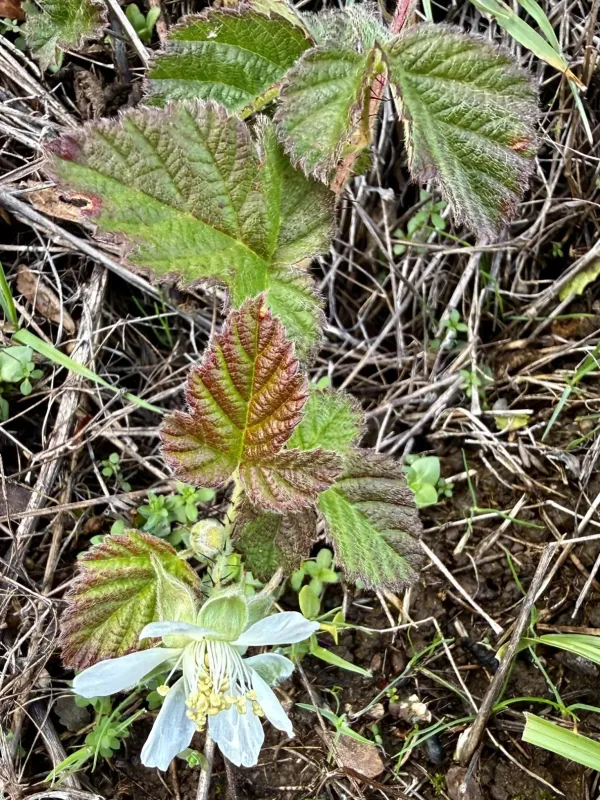
Description
Growing requirements
Purple raspberry (Rubus x neglectus) is a unique botanical hybrid resulting from the natural cross-pollination of the black raspberry (Rubus occidentalis) and the red raspberry (Rubus strigosus). It belongs to the Rosaceae family and is highly valued for its deep purple fruit.
Native to North America, this plant thrives in temperate climates where there is adequate rainfall and distinct seasonal changes. It is particularly well-adapted to woodland edges, preferring locations that offer partial shade but receive enough sunlight to promote fruit development.
The crop requires fertile, deep, and well-draining soils with a slightly acidic profile. Water management is critical; while the plant needs moisture, it cannot tolerate "wet feet." Raised beds are often recommended in gardens with heavy clay soils to prevent root rot.
Cultural practices include training the long, arching canes onto a sturdy trellis system, which facilitates better air circulation and easier harvesting. Pruning is essential for maintaining productivity, as fruit is produced primarily on second-year canes (floricanes).
Beyond its culinary uses in jams, preserves, and fresh consumption, the plant is a significant asset in home gardens for its ornamental value and hardiness. Its fruit is exceptionally rich in antioxidants compared to traditional red varieties.
Main diseases and pests
The most significant pathological threats to purple raspberry are fungal diseases such as Anthracnose and Cane Blight. These conditions flourish in stagnant, humid environments and can rapidly compromise the health of the entire cane if left untreated.
Pest pressure often comes from raspberry beetles and aphids. The latter are particularly troublesome not just for the direct damage they cause, but also because they transmit phytoplasmas and viruses that cause permanent stunting of the plants.
Soil-borne pathogens like Phytophthora root rot pose a lethal risk to the crown of the plant. Maintaining optimal soil structure and avoiding nitrogen-rich over-fertilization can help reduce the susceptibility of the root system to these infections.
Cultural hygiene is the primary line of defense. Gardeners should always remove and destroy all spent and diseased canes immediately after the harvest season to eliminate overwintering sites for pests and fungal spores.
Integrated pest management (IPM) strategies, including the use of pheromone traps and beneficial insect release, are recommended for sustainable production. Preventive fungicide applications in early spring can significantly increase the longevity of the planting.