
Loganberry
Rubus ursinus Cham. & Schltdl.
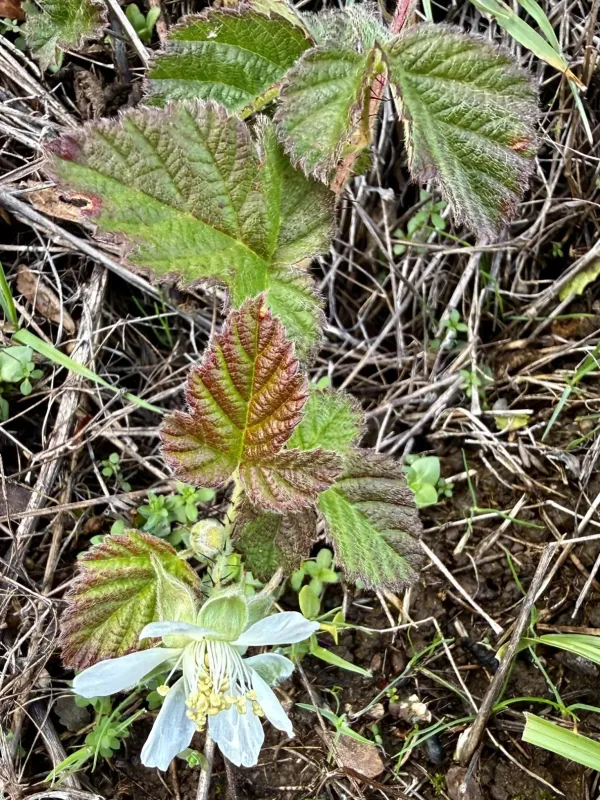
Description
Growing requirements
The Loganberry is a productive hybrid between a blackberry (Rubus ursinus) and a red raspberry (Rubus idaeus). Belonging to the Rosaceae family, this perennial crop produces long, trailing canes that require a sturdy trellis system for support.
This crop thrives in temperate climates with mild summers and winters. Exposure to direct sunlight is essential for optimal sugar development in the fruit, though protection from strong, drying winds is necessary to prevent cane breakage.
Soil conditions are critical for Loganberry success; they prefer deep, well-drained loamy soils rich in organic matter. A neutral to slightly acidic pH range is ideal, and adequate drainage is a prerequisite to prevent root asphyxiation.
Cultural practices include consistent irrigation, particularly during the fruit expansion stage, and the application of organic mulch. Proper spacing between plants is required to ensure adequate airflow and simplify harvest operations.
Loganberries are highly prized for their deep red color and tart, distinct flavor. They are predominantly used in preserves, syrups, and baked goods, making them a valuable commodity for both fresh market and artisanal food processing.
Main diseases and pests
Fungal pathogens such as Cane Blight and Botrytis (gray mold) are the most significant threats to Loganberry health, often appearing in high-humidity conditions. Maintaining optimal plant density is the primary preventative measure.
Common insect pests include the raspberry crown borer and various species of mites. Implementing Integrated Pest Management (IPM) strategies, including the use of beneficial insects, can effectively manage these populations.
Sanitation is paramount in the management of this crop. Pruning away damaged or diseased canes immediately after the harvest season is essential to reduce the inoculum level for the following year.
Viruses transmitted by soil-dwelling nematodes can cause plant decline. Therefore, site selection and pre-planting soil analysis to ensure the absence of viral vectors are fundamental steps in establishing a healthy plantation.
A balanced fertilization program emphasizing nitrogen in the spring and potassium in late summer ensures strong growth and improves the plant's natural resistance to seasonal stressors and common pathogens.