
Rubus trifidus
Rubus trifidus Thunb.
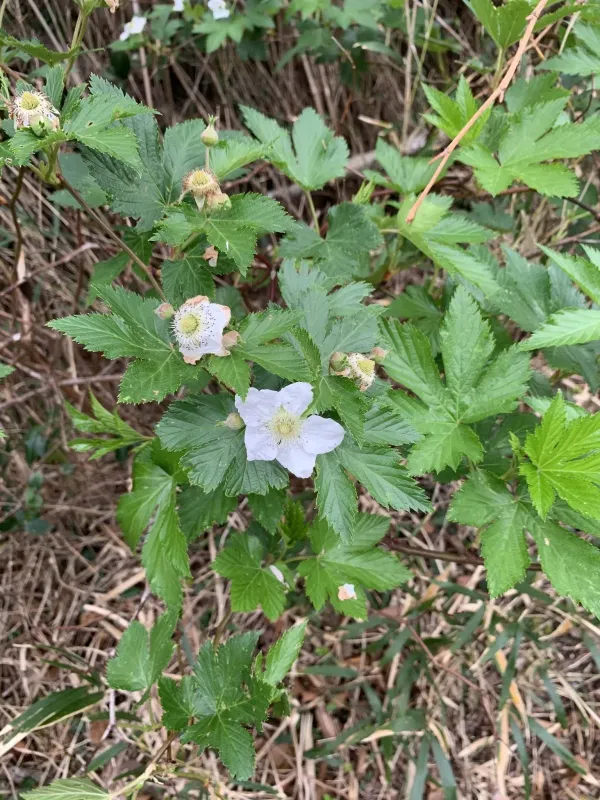
Description
Growing requirements
Rubus trifidus (Thunb.) is a perennial shrub species belonging to the Rosaceae family. Native to the regions of East Asia, particularly Japan, this plant exhibits specific botanical features that differentiate it from more common commercial species of the Rubus genus.
The plant thrives in temperate to subtropical climates, favoring locations with stable moisture levels and well-drained, nutrient-rich soil. Its natural distribution suggests an evolutionary adaptation to forest margins and clearings where soil structure is loose and high in organic matter.
Successful cultivation requires careful site selection, emphasizing protection from extreme temperature fluctuations and excessive direct sunlight. Optimal growth is observed in environments where soil acidity is maintained within a moderate, slightly acidic to neutral range.
Agronomic management practices should prioritize consistent irrigation during dry spells, as the root system is relatively shallow and sensitive to drought. Applying organic mulch is highly recommended to regulate soil temperature and maintain moisture balance throughout the growing season.
In addition to its ornamental value, the plant is studied for its agricultural potential, particularly in the production of unique berries. Its biological composition makes it an interesting subject for breeding programs aimed at diversifying berry crops in similar climate zones.
Main diseases and pests
As a member of the genus Rubus, this species is susceptible to a range of diseases common to brambles, including anthracnose, cane blight, and leaf spot infections. These pathogens thrive in humid, stagnant air, making plant spacing a critical preventative measure.
Pest pressures often come from common berry-feeding insects such as aphids, mites, and cane borers. Integrated Pest Management (IPM) strategies, including the use of beneficial insects and targeted biological pesticides, are effective in controlling these populations.
Sanitation is a cornerstone of disease control in Rubus plantations. Removing infected plant debris and pruning old or damaged canes immediately after the harvest season significantly reduces the inoculum potential for the subsequent year.
Monitoring for signs of viral infections is essential, as these can be transmitted by insect vectors and significantly impact overall plant vigor. Ensuring that the nursery stock is certified disease-free is the first step in establishing a healthy plantation.
Regular maintenance, including proper pruning and fertilization, helps the plant remain resilient against environmental stressors and pathogen attacks. A healthy, well-nourished plant is consistently better at recovering from minor infestations than an neglected one.