
Raspberry
Rubus idaeus L. x Rubus subg. Eubatus Focke
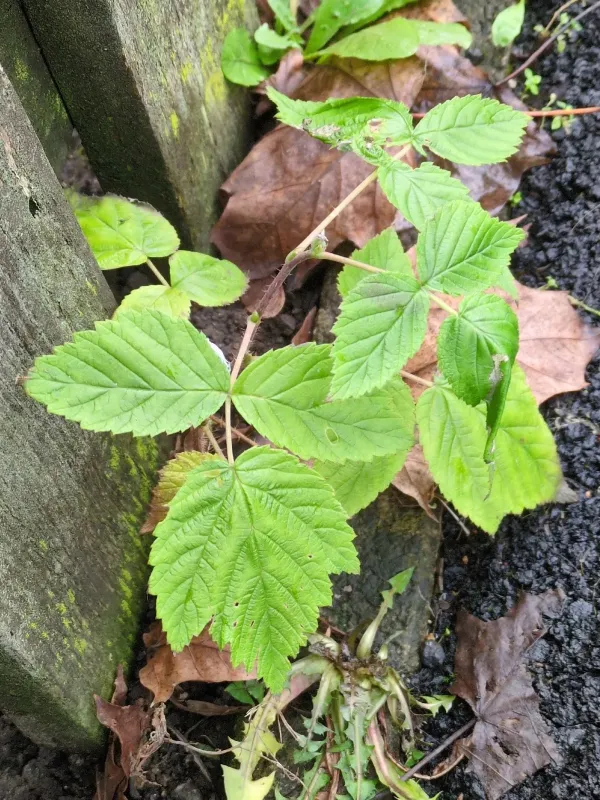
Description
Sowing dates
Raspberry belongs to the Rosaceae family and is a perennial shrub with a biennial stem growth cycle, while its root system is perennial and capable of lasting for many years.
Planting is most effective in autumn, several weeks before the ground freezes, which allows the root system to establish well before the dormant winter period starts.
Raspberry plants thrive in sunny, open locations protected from strong winds, which helps in promoting optimal cane growth and increasing the overall fruit-bearing capacity.
The planting pattern usually involves rows spaced approximately 2 to 2.5 meters apart to ensure efficient airflow, sunlight penetration, and ease of access for harvesting operations.
Preparing the soil beforehand is crucial, involving deep tilling and the incorporation of organic matter such as compost or well-rotted manure to provide essential nutrients for new canes.
Growing requirements
Raspberries require consistently moist but well-drained soil, as waterlogging is one of the primary causes of root rot and overall plant decline in various growing conditions.
Light sandy loam or loamy soils rich in organic matter are considered ideal, provided they have a slightly acidic pH and a water table that is not excessively high.
Sunlight is a critical factor for successful production; plants grown in shade tend to have spindly growth, lower fruit production, and are more susceptible to fungal infections.
In modern agricultural practices, drip irrigation is essential to maintain optimal moisture levels, especially during dry summers and the peak fruit-swelling stages of development.
Mulching the soil around the base of the canes helps conserve moisture, suppress weeds, and provide a stable thermal environment for the sensitive root system throughout the season.
Yield
The potential yield of raspberries is heavily dependent on the chosen cultivar, the implementation of advanced agricultural practices, and local climatic conditions during the season.
Under intensive management, which includes timely fertilization, proper pruning, and pest management, yields can range from 8 to 15 tons per hectare depending on the site.
Productivity is significantly linked to the management of canes; pruning and thinning excess shoots are necessary to encourage the development of strong, fruiting lateral branches.
Raspberries are highly versatile in their use, being consumed fresh, frozen for industrial applications, or processed into high-quality jams, juices, and various culinary products.
Beyond culinary uses, the plant is valued for its bioactive compounds, making it a source of raw materials for the pharmaceutical and cosmetic industries globally.
Main diseases and pests
Common fungal diseases such as spur blight, anthracnose, and grey mold pose significant threats to raspberry production, especially in areas with high humidity and poor ventilation.
Root rot diseases, including Phytophthora, are particularly difficult to manage and require careful site selection and the use of healthy, disease-free planting material to prevent outbreaks.
Insect pests like the raspberry beetle, cane midge, and spider mites can cause substantial damage to buds, leaves, and developing fruit, leading to reduced yields and quality.
Integrated pest management strategies are recommended, combining cultural practices like sanitation and pruning with the responsible use of plant protection products when necessary.
- Sanitary removal of infected or dead canes after harvest.
- Improving site ventilation through proper row spacing.
- Strict use of certified, virus-free planting stock.
Harvesting
Harvesting raspberries is a time-sensitive task as the fruit is extremely delicate and prone to rapid degradation once picked, especially under warm weather conditions.
Picking should ideally be done in the cool morning hours, after dew has evaporated, to ensure that the berries remain firm and have a longer shelf life after being harvested.
Berries should be collected in shallow containers to prevent the weight of the fruit from crushing the bottom layers, which helps maintain the structural integrity and appearance.
Post-harvest logistics are vital for market-quality berries; keeping the produce cool immediately after harvest is essential to minimize spoilage and maintain freshness during transport.
Sorting should be performed carefully during the harvest process to remove overripe or damaged fruits, ensuring that the final produce meets high quality standards for consumers.