
Arctic raspberry
Rubus arcticus L.
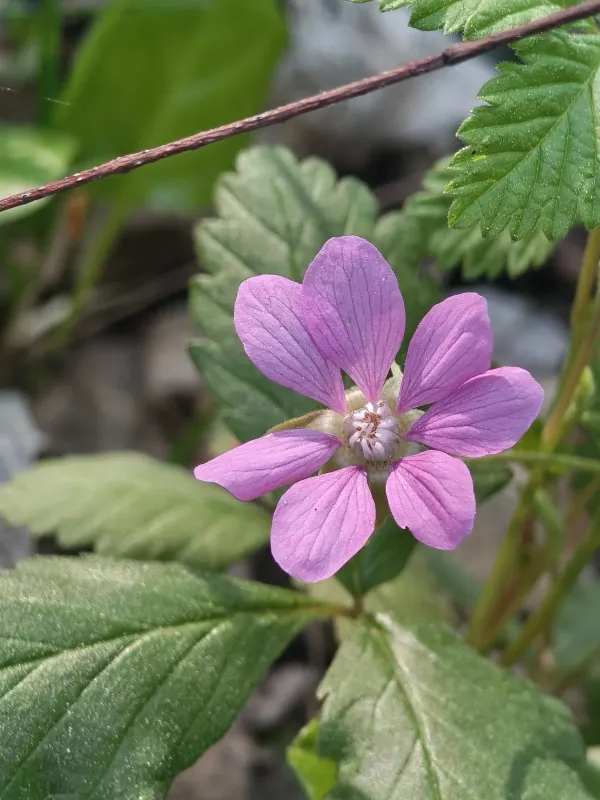
Description
Growing requirements
Arctic raspberry (Rubus arcticus) is a member of the Rosaceae family. This perennial herb is native to northern circumpolar regions and thrives in cool, moist environments. It is highly valued for its aromatic berries that resemble a blend of raspberry and pineapple flavors.
Cultivation requires acidic, nutrient-rich, and moisture-retentive soils, ideally with a high peat content. Proper soil preparation is essential, as the plant possesses a shallow root system that is very susceptible to drought, making consistent irrigation a mandatory practice for successful production.
The plant prefers partial shade, particularly in areas with warm summers, to prevent heat stress. It exhibits exceptional cold hardiness, allowing it to withstand harsh winters typical of northern latitudes. Proper site selection should also account for good air circulation to mitigate fungal risks.
Agricultural practices involve mulching with pine needles or similar organic matter to maintain soil moisture levels and prevent weed competition. Since most cultivars are self-sterile, planting multiple varieties together is crucial to facilitate cross-pollination and maximize fruit set.
Economically, this crop is used for gourmet food production. The berries are primarily processed into luxury jams, syrups, liqueurs, and specialized confectionery products. Their high market value compensates for the labor-intensive harvesting process required for the crop.
Yield
Yields for Rubus arcticus are heavily dependent on the presence of pollinators and the moisture availability during the flowering phase. In optimized commercial settings, farmers can achieve yields of approximately 1,000 to 1,500 kilograms per hectare.
The harvest period is extended, with fruits ripening individually rather than in clusters. This requires frequent monitoring and careful hand-picking to ensure that only fully mature berries are collected, as they do not ripen further once removed from the plant.
Main diseases and pests
Fungal diseases, specifically gray mold (Botrytis cinerea) and various leaf spots, are the most significant threats to productivity. These are managed through proper spacing, pruning of dead foliage, and avoiding overhead irrigation during the flowering period.
Insect pests, including raspberry beetles and certain types of weevils, can cause damage to the buds and flowers. Integrated pest management (IPM) strategies, favoring biological controls over chemical pesticides, are strongly recommended to maintain the organic status of the crop.
Harvesting
Harvesting is labor-intensive and must be done by hand. Berries are extremely delicate and prone to crushing; therefore, they are typically gathered into shallow containers to minimize damage during transport. Immediate cooling post-harvest is vital to preserve flavor and extend shelf life.