
Blackberry
Rubus L. subg. Rubus
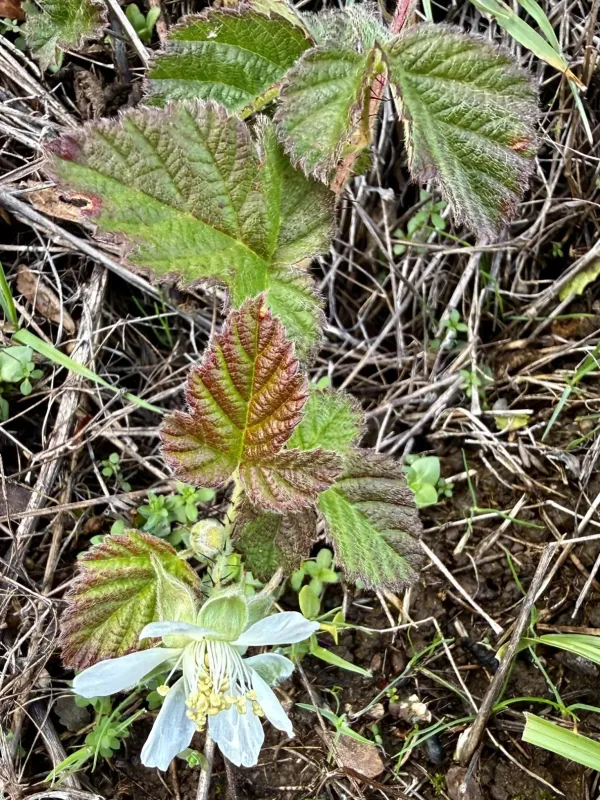
Description
Growing requirements
Blackberry (Rubus L. subg. Rubus) belongs to the Rosaceae family. It is a perennial shrub characterized by a biennial shoot development cycle, widely cultivated for its nutritious and flavorful berries.
The plant thrives in well-lit, sunny areas sheltered from strong winds. Ideally, it requires deep, fertile, well-drained loamy soils with a slightly acidic to neutral pH level to ensure proper nutrient absorption.
Consistent moisture is crucial for blackberry production, particularly during the flowering and fruit development stages. While they need water, they are sensitive to waterlogging, making proper site selection essential.
Trellising is a standard horticultural practice for blackberries to manage vigorous cane growth, improve air circulation, and simplify the harvesting process. Winter protection is necessary in colder climatic zones.
Blackberries are highly versatile, utilized in fresh market consumption, processed into juices, jellies, and desserts, and their leaves are valued in herbal medicine for their high tannin content.
Yield
With modern high-yielding varieties and optimized irrigation systems, commercial blackberry plantations can produce between 12 and 22 tons per hectare annually, depending on the specific cultivar and planting density.
Main diseases and pests
Common pathological threats include cane blight, rust, and grey mold (Botrytis). Maintaining orchard hygiene, such as removing old canes and thinning, is the primary defense against these fungal pathogens.
Key pests affecting the plant include the blackberry mite, aphids, and raspberry cane borer. Integrated pest management (IPM) strategies, including biological controls and targeted spraying, are recommended for healthy yields.
Harvesting
Blackberries are delicate fruits and should be harvested as soon as they reach their mature color and become plump. Careful handling during harvest is essential to prevent bruising and ensure quality for market distribution.