
Rose of Sharon
Hibiscus syriacus L.
Description
Growing requirements
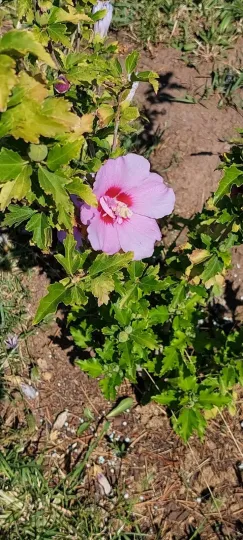
Hibiscus syriacus, commonly known as the Rose of Sharon, is a deciduous flowering shrub belonging to the Malvaceae family. Originating from East Asia, this plant has gained worldwide popularity as a staple in ornamental horticulture due to its hardiness and aesthetic appeal.
This crop thrives in sunny locations with well-drained, nutrient-rich soil. While it is adaptable to various soil types, it prefers a neutral to slightly acidic pH range. Ensuring proper drainage is essential, as the plant does not tolerate waterlogged conditions that lead to root distress.
Climate requirements include a long growing season with sufficient warmth for bud development. Although established plants demonstrate decent cold tolerance, protection is recommended in regions with harsh winters. Consistency in moisture levels during the peak summer months is vital for flowering performance.
Agronomic management involves regular pruning to maintain plant shape and encourage growth on new wood. Fertilization programs should balance nitrogen for vegetative growth with phosphorus and potassium to optimize flower production and overall plant health throughout the season.
The practical application of Hibiscus syriacus is primarily in landscaping, where it is utilized for hedging, as a focal point in borders, or as a container-grown specimen. Its ability to withstand urban air pollution makes it highly desirable for city landscaping projects.
Main diseases and pests
The most common insect pests affecting this crop are aphids, spider mites, and whiteflies. Integrated pest management strategies, including the use of horticultural oils and systemic insecticides, are effective in maintaining healthy foliage and buds.
Fungal issues, such as leaf spot and rust, can occur under conditions of high humidity or poor ventilation. Implementing proper spacing between individual plants and avoiding overhead irrigation helps to mitigate the risk of these infections.
Root rot is a major threat caused by overwatering or soil compaction. Prevention strategies emphasize the installation of a gravel drainage layer at planting and monitoring moisture levels through soil testing.
Iron chlorosis is a common physiological disorder, usually manifesting as yellowing leaves while the veins remain green. Soil acidification or application of chelated iron supplements are standard remediation practices.
Maintaining high plant vigor through balanced nutrition and proper sanitation practices is the best defense against pests and diseases, ensuring the longevity and productivity of the shrub in any landscape.