
Hibiscus laevis
Hibiscus laevis All.
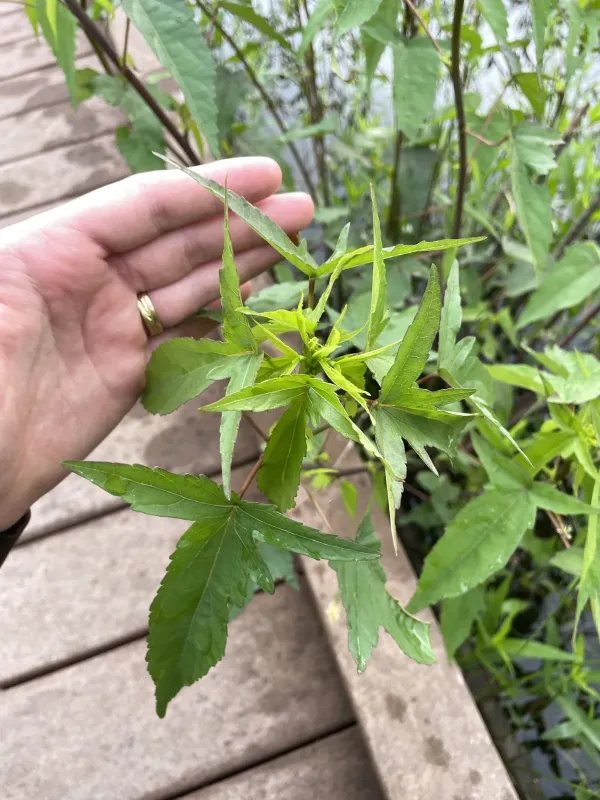
Description
Sowing dates
The planting of Hibiscus laevis seeds is typically carried out in late spring, once the soil has consistently warmed up. Optimal germination occurs when temperatures remain above 20°C.
Seeds benefit from cold stratification to overcome dormancy. They should be sown in a light, moist medium at a depth of approximately 1 to 2 centimeters to ensure stability during early root development.
For professional cultivation, seeds are sown in greenhouse trays in early spring. This allows the plants to establish a strong root system before being hardened off and transplanted outdoors.
Spacing is critical for the long-term health of this species. Plants should be placed 60–90 centimeters apart to prevent overcrowding, which facilitates proper airflow and reduces the risk of foliar diseases.
Adding a balanced, slow-release fertilizer during the planting stage provides the necessary nutrients for the vigorous growth phase that follows seedling establishment.
Growing requirements
Hibiscus laevis belongs to the Malvaceae family and is naturally adapted to moist soil conditions. It is frequently found in wetland environments, making it a robust choice for damp sites.
This species thrives in full sun exposure. While it can tolerate partial shade, maximum flowering and structural integrity are achieved only under bright, direct sunlight conditions.
The ideal soil is rich in organic matter, slightly acidic, and capable of high water retention. If the soil is sandy, amendments like compost or peat moss should be added to improve hydration capacity.
Temperature requirements include a long, warm growing season. The plant is noted for its high tolerance to waterlogged conditions, making it an excellent candidate for aquatic or riparian landscapes.
Regular irrigation is vital during the peak growing months. Although the plant handles moisture well, prolonged droughts can lead to stunted growth and reduced bud formation.
Main diseases and pests
Common pests affecting Hibiscus laevis include aphids and two-spotted spider mites. These insects tend to thrive in dry, hot weather and can cause significant foliage damage if left uncontrolled.
Fungal issues, such as powdery mildew, are more prevalent in environments with high humidity and poor circulation. Maintaining proper plant spacing is the most effective cultural control measure.
Root rot remains a concern if drainage is completely blocked, even though the plant loves moisture. Ensuring the soil has some oxygen exchange is essential to prevent anaerobic pathogen development.
Management of these threats involves routine monitoring and the application of integrated pest management strategies, including the use of soaps, oils, or specialized systemic fungicides.
Proactive cleaning of the area, including the removal of dead leaf litter, helps minimize the overwintering of pathogens and pests, ensuring a healthier crop for the following season.
Harvesting
Seed harvesting occurs when the seed pods turn from green to a brittle, light brown color. The timing must be precise to capture seeds before the pods naturally dehise and drop them.
Once harvested, pods should be spread out in a dry, well-ventilated area to finalize the drying process. This prevents mold growth and ensures the quality of the seed stock.
After threshing and cleaning, seeds should be stored in a cool, dark environment. Proper storage conditions are essential for maintaining high germination rates for future planting cycles.
The economic and practical utility of Hibiscus laevis is primarily ornamental. It is widely used in landscape architecture, particularly for managing moisture-rich garden zones or water features.
Furthermore, its potential in ecological restoration projects is high, as the plant helps stabilize soil in riparian zones while providing significant aesthetic value throughout its blooming period.