
Chinese hibiscus
Hibiscus rosa-sinensis L.
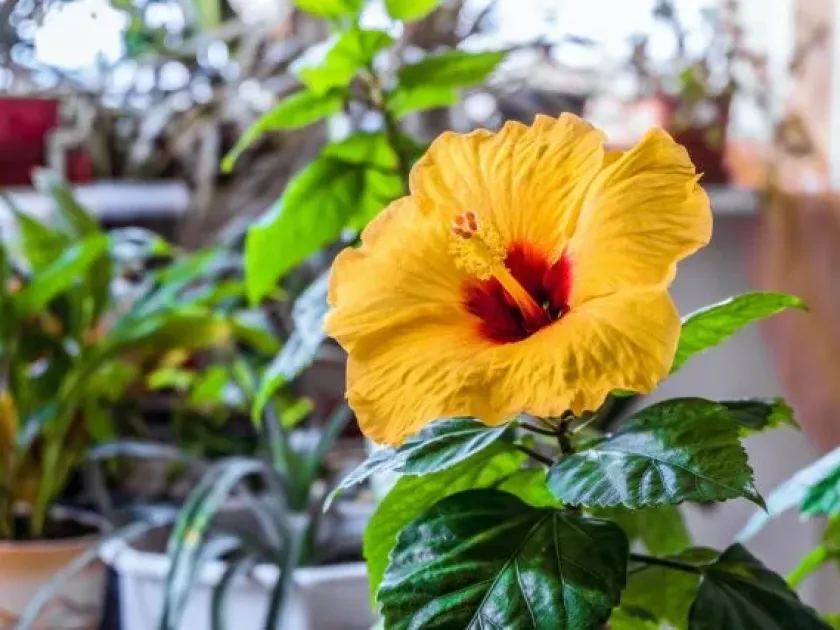
Description
Growing requirements
Chinese hibiscus (Hibiscus rosa-sinensis L.) is a prominent member of the Malvaceae family. Originating from tropical East Asia, this plant is widely cultivated as an ornamental shrub in both indoor and greenhouse conditions across various climate zones.
The plant requires high light intensity to thrive and bloom effectively. While it tolerates partial shade, prolonged periods without bright, filtered light will inhibit flower production and result in weak, spindly stems and sparse foliage.
Climatic requirements focus on warmth and humidity. It prefers temperatures between +20°C and +28°C during the active growing season. Frost sensitivity is high, and the plant must be protected from temperatures below +10°C to ensure its survival.
Soil composition must be rich in organic matter and possess excellent drainage properties. A slightly acidic to neutral substrate (pH 6.0–7.0) is ideal to prevent nutrient lockout, specifically regarding essential micronutrients like iron and magnesium.
Agrotechnical maintenance involves consistent moisture levels and regular fertilization. During the growing phase, balanced water-soluble fertilizers should be applied every two weeks to support the high metabolic demands of the plant during rapid development.
Main diseases and pests
Major pests affecting this crop include spider mites, whiteflies, and aphids. These insects thrive in dry environments and can cause significant damage to foliage and flower buds, necessitating prompt identification and application of suitable insecticidal treatments.
Pathogenic threats mainly stem from fungal root diseases caused by improper watering practices, such as waterlogging the pot. Maintaining good air circulation and using well-draining soil mixes are primary preventive measures against such infections.