
Swamp hibiscus
Hibiscus moscheutos L.
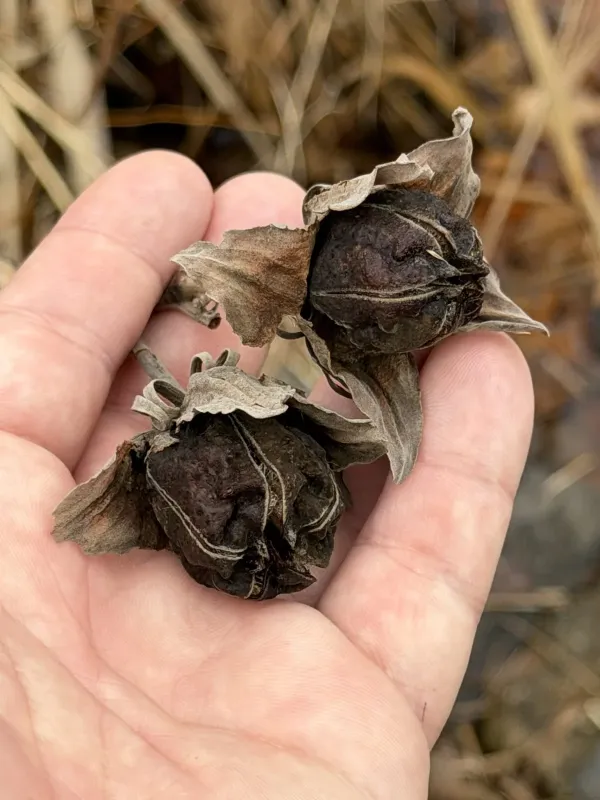
Description
Sowing dates
The propagation of Hibiscus moscheutos is commonly carried out via seeds sown in late winter, specifically from February to March, under controlled greenhouse conditions. Seeds often require a period of cold stratification to break dormancy and ensure uniform germination across the batch.
A well-draining, nutrient-rich potting medium is essential for seed starting, as the soil must stay consistently moist but not waterlogged. Placing the seed trays in a warm environment, ideally between 22 and 25 degrees Celsius, will stimulate faster seedling development.
Transplanting the young seedlings into individual containers is done once they develop their first set of true leaves. This transition period allows the plants to establish a robust root system before they are hardened off and eventually moved to the outdoor garden beds.
Field planting should occur only after the danger of frost has completely passed. Spacing is crucial for this species; plants should be spaced at least 80 to 100 centimeters apart to allow for proper airflow and to accommodate their significant width during peak growing season.
Alternatively, division of mature root clumps can be performed in early spring. This vegetative method is highly effective for maintaining the purity of specific cultivars and allows for larger, more established plants that will bloom sooner than seed-grown specimens.
Growing requirements
Hibiscus moscheutos, a member of the Malvaceae family, is a hardy herbaceous perennial native to wetland areas in North America. Its impressive structural growth depends on its thick, fleshy root system which stores energy for annual re-emergence.
This crop thrives in full sun, which is necessary to trigger the production of its iconic, dinner-plate-sized flowers. Providing at least six to eight hours of direct sunlight per day is a mandatory requirement for successful cultivation and bloom quality.
The soil must be rich in organic matter and possess high moisture-retention capabilities. Unlike many other garden perennials, swamp hibiscus has an exceptionally high water requirement and should never be allowed to dry out completely during the active growing season.
Regular fertilization with a balanced, slow-release fertilizer or a liquid feed rich in potassium is recommended throughout the summer. This supports the vigorous growth of new stems and the continuous development of large, showy blossoms through the autumn.
Dormancy management is a critical aspect of care; after the first heavy frost, the stems should be cut back close to the ground. In colder climates, applying a protective layer of mulch over the crown prevents root damage caused by extreme temperature fluctuations.
Main diseases and pests
Common pests associated with Hibiscus moscheutos include aphids and spider mites, both of which prefer the succulent young foliage. These pests can cause significant damage if left unchecked, often leading to deformed leaves and premature flower bud drop.
Fungal issues, particularly powdery mildew, are prevalent in areas with poor ventilation or high humidity levels. Implementing integrated pest management, such as thinning out crowded stems, helps maintain airflow and reduces the risk of fungal infections.
Chlorosis is a frequent nutritional issue, often manifesting as yellowing between leaf veins due to an inability to absorb iron from alkaline soils. Adjusting the pH to a slightly acidic level and using chelated iron sprays can effectively correct this deficiency.
Root rot represents a severe threat when drainage is inadequate, especially during wet springs when the soil temperature is still low. Improving site drainage is the primary defense strategy against the loss of the root crown to pathogens.
General hygiene, such as removing fallen debris and dead foliage at the end of the season, significantly minimizes the overwintering potential of harmful pests and diseases, ensuring a healthy start for the following year.