
Flower-of-an-hour
Hibiscus trionum L.
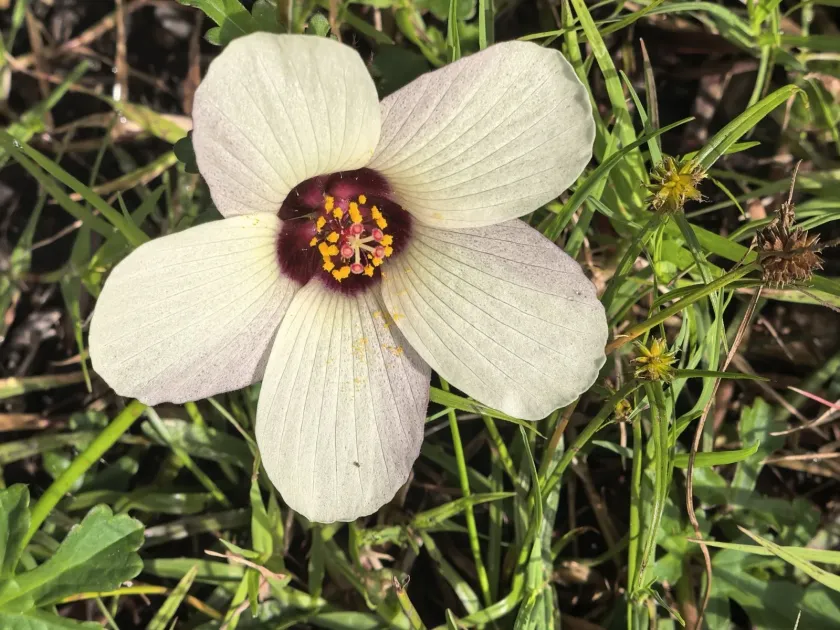
Description
Sowing dates
The seeds of Hibiscus trionum germinate best in warm soil conditions, typically requiring temperatures above 15 degrees Celsius to sprout uniformly.
In agricultural settings, sowing is usually restricted to late spring, once the risk of frost has completely passed and the ground is sufficiently warm.
Seeds should be planted at a shallow depth of approximately 2 to 3 centimeters, ensuring they maintain contact with the moist soil surface without being buried too deep.
This species is known for its staggered germination pattern, which allows it to emerge over several weeks depending on moisture availability.
Farmers often manage this plant as an aggressive weed, noting that its seed bank can remain viable in the soil for many years if not disturbed.
Growing requirements
As a member of the Malvaceae family, this plant thrives in full sun and requires unobstructed light to achieve its maximum vegetative potential.
The ideal growing medium for this species is well-drained, fertile soil, preferably with a slightly acidic to neutral pH level for optimal nutrient uptake.
While somewhat drought-tolerant once established, it responds significantly to regular irrigation, which encourages rapid vertical growth and flower production.
The plant is highly sensitive to cold, and its development is halted by temperatures approaching freezing, making it an annual in most temperate climates.
Efficient root system development allows it to successfully compete for nitrogen and phosphorus with neighboring crops in an agricultural environment.
Main diseases and pests
Common fungal diseases affecting this plant include powdery mildew and various leaf spot pathogens that thrive in humid, poorly ventilated crop stands.
Insect pests such as spider mites and aphids are frequently found on Hibiscus trionum, potentially spreading viruses to surrounding vegetables and crops.
In fields, the plant can harbor pests that affect commercial malvaceous crops like cotton, making it a target for integrated pest management strategies.
Control is typically achieved through mechanical cultivation early in the season, followed by targeted chemical treatments if the infestation is severe.
- Deep plowing to bury seeds
- Use of pre-emergent herbicides
- Frequent mechanical hoeing
- Field crop rotation practices
Harvesting
Harvesting for medicinal or ornamental purposes is done during the flowering stage to ensure the collection of the highest quality plant tissues.
In general farming, the goal is total removal of the plant before seed capsules reach maturity to prevent the spread of seeds across the field.
If seeds are collected, they must be gathered promptly when the capsules turn brown but before they split open and release their contents.
Drying must be conducted in dry, well-ventilated areas to ensure the longevity of the plant material and prevent mold development.
Proper sanitation of harvesting equipment is essential to prevent the accidental distribution of seeds to new areas of the farmland.