
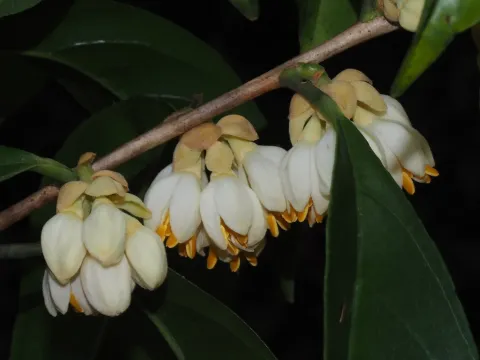
Rehderodendron
Rehderodendron
Rehderodendron is an exquisite genus within the Styracaceae family, consisting of deciduous trees native to the temperate and subtropical forests of East Asia.
What the section contains

Rehderodendron
These trees thrive best in rich, acidic, and well-draining soils that maintain consistent moisture without becoming waterlogged during rainy seasons.
Optimal growth is achieved in sheltered locations that provide dappled sunlight, protecting the foliage from scorching during intense mid-day heat.
Regarding climate, the plant prefers regions with high humidity levels and avoids extreme temperature fluctuations, which can damage new vegetative growth.
Maintenance of the soil profile is essential; organic mulching is highly recommended to protect shallow roots and regulate soil temperature throughout the year.
The most significant threats to Rehderodendron are soil-borne pathogens, particularly root rot, which typically occur in poorly drained or overly compacted garden soils.
Pest issues often involve sap-sucking insects like aphids or spider mites, which can proliferate rapidly during periods of prolonged drought or heat stress.
Cultural management plays a vital role in disease prevention, focusing on sanitation and maintaining the plant's vigor through balanced watering schedules.
Careful observation of foliage condition is necessary to identify early symptoms of nutrient deficiency or localized infestation before they impact the entire tree.
Application of fungicides or insecticides should be considered only after accurate diagnosis, ensuring that chosen treatments do not harm the tree's delicate root system.