
Melliodendron
Melliodendron Hand.-Mazz.
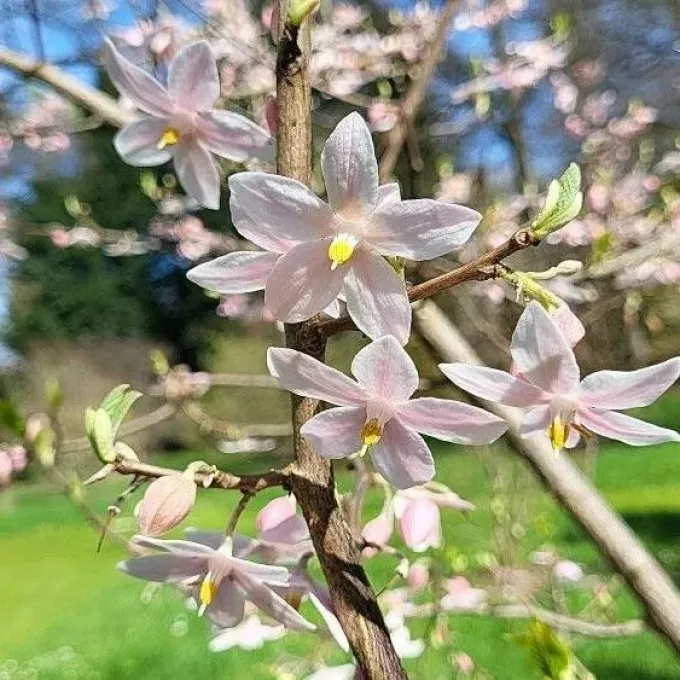
Description
Growing requirements
Melliodendron is a genus of flowering plants belonging to the Styracaceae family. It is a unique woody species primarily native to the mountainous forests of southern China, where it thrives in humid and relatively cool environmental conditions.
To successfully cultivate this plant, growers must prioritize soil health. Melliodendron prefers deep, fertile, and well-drained soils with a slightly acidic to neutral pH. Avoiding waterlogged sites is critical, as the roots are sensitive to anaerobic conditions, which can lead to rapid decay.
The climate requirements for Melliodendron include protection from extreme heat and desiccating winds. In its native habitat, it grows at moderate elevations, suggesting a preference for stable temperatures and high atmospheric humidity during the peak growing season.
Light management is another essential factor. While the plant can tolerate partial shade when young, full maturity and the best flowering performance are achieved in locations with good access to morning sun and filtered light during the hottest hours of the day.
Standard agrotechnical practices for this species involve annual mulching to keep the roots cool and moisture-consistent. Providing supplemental irrigation during prolonged dry spells is highly recommended to maintain vigorous growth and prevent leaf scorch.
Harvesting
The primary utility of Melliodendron in human activity is ornamental. It is highly valued in botanical gardens and specialized arboretums for its aesthetic appeal, specifically its elegant flowers and distinctively shaped, woody seed capsules.
The flowering phase is the main attraction, as the plant produces an abundance of blooms that create a significant visual impact. This makes the tree a prized specimen for landscape design in appropriate hardiness zones where its climate needs can be met.
Harvesting the seeds is a delicate task that requires precise timing. The woody capsules should be collected just as they begin to mature and split, ensuring that the seeds inside are fully developed before they are dispersed by natural forces.
For propagation purposes, seeds generally require a period of cold stratification to break dormancy. This mimicry of winter conditions is essential for achieving a high percentage of germination, as seeds sown immediately without treatment often fail to sprout.
Beyond its ornamental role, Melliodendron serves as an important genetic resource for researchers studying the diversity of the Styracaceae family, contributing to broader efforts in biodiversity conservation and the protection of rare forest species.