
Rehderodendron macrocarpum
Rehderodendron macrocarpum
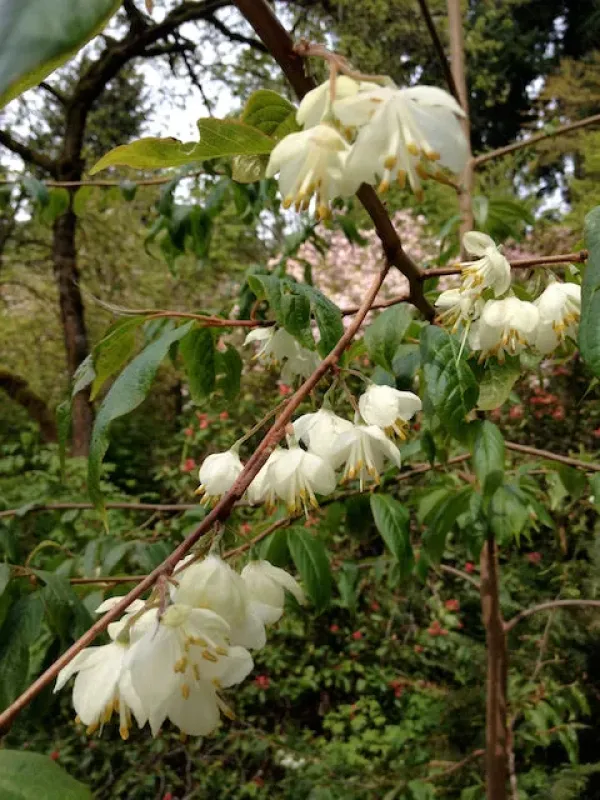
Description
Sowing dates
Propagation of Rehderodendron macrocarpum is typically achieved through seeds, which exhibit deep dormancy. To ensure successful germination, seeds require a prolonged period of cold stratification, lasting approximately 3 to 4 months in a moist medium.
Sowing should be performed in a controlled environment, such as a greenhouse or nursery bed, using a light, well-draining peat-based substrate. Maintaining consistent temperature and moisture levels is crucial for optimal results.
Seedlings emerge slowly and may require special attention during the first months of life. It is recommended to transplant them into individual containers once the first set of true leaves is fully developed to promote healthy root system growth.
Young plants are usually kept in pots for at least two to three years before being moved to their final outdoor location. This transition should occur in early spring, once the danger of severe frost has passed.
For vegetative propagation, semi-hardwood cuttings can be taken during the summer months. Using rooting hormones and a mist irrigation system significantly increases the success rate of producing new, genetically identical plants.
Growing requirements
Native to the mountainous regions of Southwest China, this species belongs to the Styracaceae family. It thrives in climates that offer moderate temperatures, high humidity, and protection from extreme temperature fluctuations.
Soil quality is paramount for this culture; it requires fertile, humus-rich soil with a slightly acidic to neutral pH. Poorly draining or compacted soils should be improved with organic matter and drainage materials before planting.
Rehderodendron macrocarpum performs best in partial shade, where it is shielded from the harsh midday sun. Excessive exposure to sunlight can lead to leaf scorching and overall stress, impacting the tree's development.
Regular irrigation is essential, as the plant is sensitive to drought. However, it is equally important to avoid waterlogging, which can quickly lead to root rot. Mulching the root zone helps maintain stable moisture and temperature levels.
Young trees benefit from winter protection in cooler zones. Using burlap wraps or protective mulch helps insulate the root system and prevents wind damage to the tender branches during the coldest winter months.
Yield
This tree is grown primarily for its high ornamental value rather than for agricultural production. It serves as a striking specimen plant, especially when it blooms in the spring with beautiful, fragrant white or pink flowers.
The tree earns its name from its large, distinctive, spindle-shaped fruits that persist on the branches for an extended period. These unique features make it a prized addition to botanical gardens and private arboretums.
Harvesting for commercial use is nonexistent due to the species' rarity and its focus on aesthetic landscaping. Its growth rate is moderate, requiring patience from gardeners who wish to see it reach maturity.
In terms of landscaping architecture, the tree naturally develops a graceful structure, making it ideal for large woodland gardens or as a focal point in a collection of rare, shade-loving ornamental trees.
Maintenance is minimal once the tree is established, with most work involving occasional sanitary pruning. Removing dead or damaged wood in late winter helps keep the tree healthy and aesthetically pleasing.
Main diseases and pests
Root rot remains the most significant threat to this species, usually caused by poor drainage or excessive soil moisture. Proper site selection and soil amendment are the best methods to mitigate this risk.
Pests such as aphids and spider mites can occasionally affect the foliage, particularly during hot and dry spells. Integrated pest management, including the use of neem oil or biological controls, is recommended.
Nutrient deficiencies or improper soil pH can cause chlorosis, where leaves turn yellow due to an inability to absorb necessary minerals. Periodic soil testing and balanced fertilization help keep the tree vibrant.
Rodents may target the bark of young trees during the winter months when other food sources are scarce. Protective tree guards are an effective preventative measure to ensure the tree remains undamaged.
Fungal leaf spots can occur if the canopy remains damp for extended periods. Providing enough space between plants and ensuring good air circulation around the tree significantly reduces the incidence of fungal issues.