
Kalgan Boronia
Boronia heterophylla F. Muell.
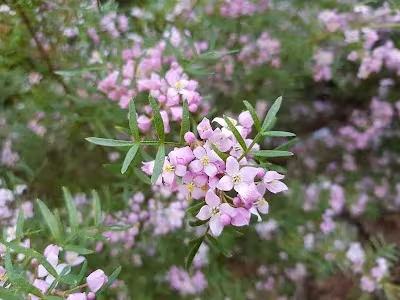
Description
Growing requirements
Boronia heterophylla, commonly known as Kalgan Boronia, thrives in well-drained, acidic, sandy soil. It is highly intolerant of waterlogging, which often leads to rapid decay of its fine and sensitive root system, making site selection critical for cultivation.
This species prefers a position with bright, filtered sunlight. While it can tolerate some morning sun, it requires protection from the harsh afternoon heat to prevent foliage scorch and dehydration, which are common stress factors in non-native environments.
The optimal climate for this plant mimics its native Western Australian coastal habitat, with cool to moderate temperatures. It is not frost-hardy and requires protection from extreme cold and drying winds during the winter months.
Watering practices must be carefully managed; the soil should remain consistently moist but never waterlogged. Using rainwater or softened water is highly recommended, as the plant is sensitive to high salt concentrations or alkaline minerals often found in tap water.
Nutrient requirements are specific; Boronia plants have evolved to handle low-phosphorus soils. Therefore, use only fertilizers labeled as safe for Australian native plants, avoiding standard high-phosphorus garden fertilizers which can be toxic to the roots.
Main diseases and pests
Phytophthora root rot is the most significant threat to Boronia heterophylla. This soil-borne pathogen thrives in warm, damp conditions and can kill an entire plant quickly if drainage is inadequate or if the soil is contaminated.
Insect pests, including spider mites and mealybugs, are frequent visitors to this plant, especially in protected environments like greenhouses. They target the tender young shoots and leaves, hindering the overall vigor and aesthetic quality of the shrub.
Scale insects can also infest the stems, creating honey-dew that promotes the growth of sooty mold. Regular monitoring and physical removal of early infestations can prevent the need for chemical interventions, which the plant can be sensitive to.
To maintain plant health, ensure excellent air circulation around the foliage. Crowded planting should be avoided to prevent the buildup of humidity, which encourages fungal diseases such as botrytis (gray mold) during periods of high rain.
- Phytophthora cinnamomi (Root rot)
- Spider mites (Tetranychidae)
- Mealybugs (Pseudococcidae)
- Botrytis cinerea (Gray mold)
Harvesting
The primary harvest for Boronia heterophylla is its highly fragrant, bell-shaped flowers. In commercial floriculture, stems are harvested at the stage when approximately half of the flower buds have opened to ensure maximum vase life.
Harvesting should ideally be done in the early morning when the plant tissues are fully turgid and the essential oils in the flowers are at their peak. This timing significantly improves the quality and fragrance intensity of the cut stems.
Using clean, sharp pruning shears is essential to avoid crushing the stems, which can impede water uptake once placed in a vase. After cutting, stems should be immediately transferred to cool water to prevent wilting.
Post-harvest treatment often involves the use of flower preservatives that adjust the pH of the water and provide the necessary sugar levels to sustain the flowers. Proper hygiene at this stage prevents bacterial proliferation in the water.
In addition to floral harvest, light pruning after the flowering season is necessary to maintain the plant's shape and encourage dense, bushy growth for the following year's production cycle.