
Boronia pinnata
Boronia pinnata Sm.
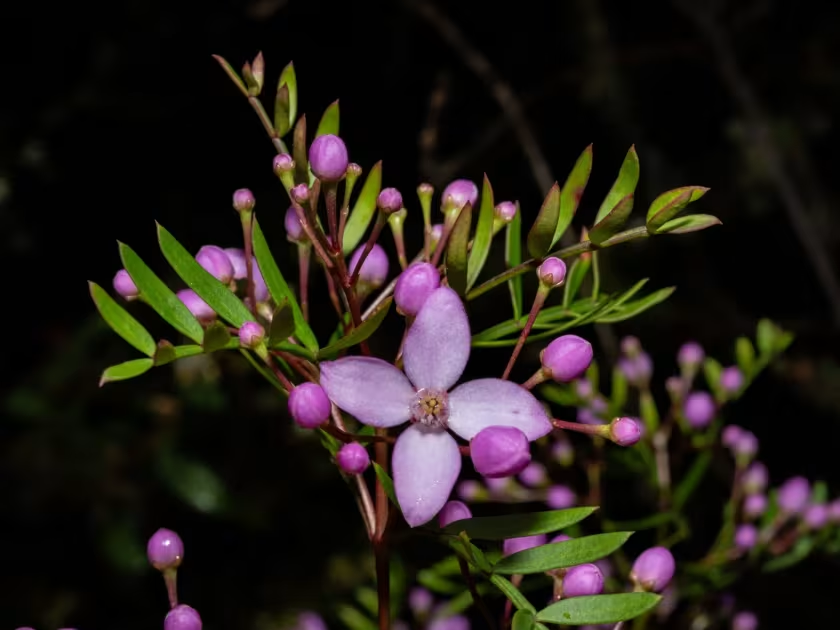
Description
Growing requirements
Boronia pinnata is a distinctive evergreen shrub belonging to the Rutaceae family. Native to the coastal regions of New South Wales, Australia, this species is highly valued in horticulture for its pinnate foliage and prolific, star-shaped fragrant pink flowers.
Botanically, it is classified as a woody perennial that thrives in sandy, well-drained soils. In its natural habitat, it occupies understory positions in open forests, indicating a preference for filtered light rather than direct, harsh sunlight throughout the entire day.
For cultivation, the plant requires a strictly acidic substrate with high organic matter content. Drainage is paramount, as Boronia species possess fine, sensitive roots that decay rapidly in waterlogged conditions. Using coarse perlite or pumice in the potting mix is highly recommended.
The plant is not frost-hardy and performs best in mild, temperate climates. In colder regions, it is treated as a conservatory or container plant. It requires consistent ambient humidity and protection from extreme temperature fluctuations, ideally maintained between 15°C and 22°C during growth.
Regarding cultural practices, fertilization should be done with caution. Since Boronia is sensitive to high phosphorus levels, it is essential to use specific fertilizers formulated for native Australian plants or low-phosphorus acid-loving fertilizers, applied sparingly during the spring season.
Main diseases and pests
The primary threats to Boronia pinnata are soil-borne pathogens, particularly Phytophthora species. These fungi thrive in damp, stagnant environments and can lead to rapid root collapse and sudden plant death if drainage is not optimized.
Pests such as scale insects and spider mites are common in indoor or greenhouse settings. Scale insects often hide on the undersides of stems or leaves, while spider mites proliferate in dry, warm air, causing yellowing and webbing on the foliage.
Fungal leaf spots can occur if foliage remains wet for extended periods. To mitigate this risk, it is important to ensure adequate air circulation around the plant canopy, avoiding overhead irrigation whenever possible during the late evening hours.
Iron deficiency, commonly manifesting as interveinal chlorosis, is a frequent issue if the irrigation water or soil pH becomes too alkaline. This prevents the plant from absorbing necessary micronutrients, requiring pH correction of the water source.
General plant health is the best defense against pests and diseases. Maintaining a regular but cautious watering schedule, ensuring proper light levels, and avoiding unnecessary root disturbance will help keep the specimen vigorous and resistant to most common environmental stressors.