
Boronia megastigma
Boronia megastigma Nees ex Bartl.
Description
Growing requirements
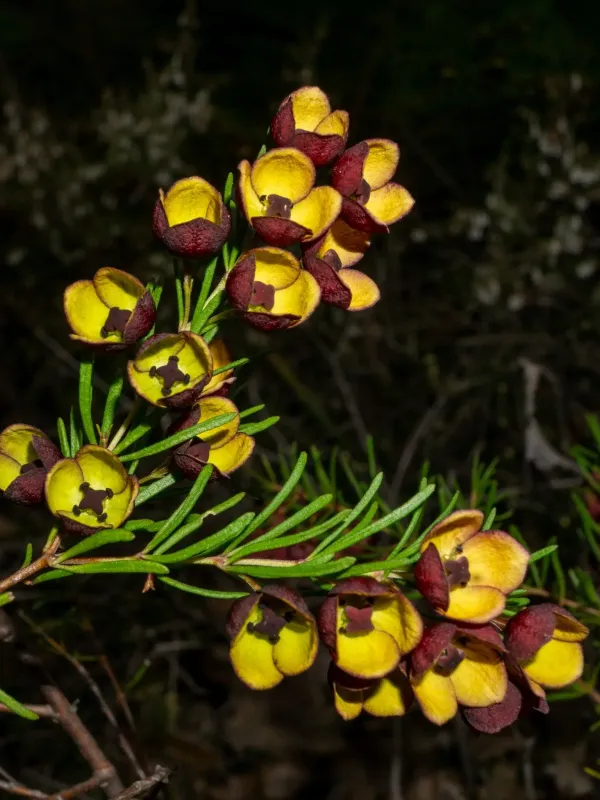
Boronia megastigma (commonly known as brown boronia) is a perennial evergreen shrub belonging to the Rutaceae family. Native to the damp, sandy soils of southwestern Western Australia, this plant is cultivated primarily for its highly fragrant flowers.
The species requires a cool, humid climate and is sensitive to extreme heat, which can cause significant physiological stress. Commercial cultivation is typically conducted in controlled greenhouse environments to maintain optimal temperature stability.
The soil must be acidic, well-draining, and rich in organic matter. As members of the Rutaceae family, they are sensitive to phosphorus levels in fertilizers; therefore, it is necessary to use specialized, low-phosphorus nutrient solutions for healthy growth.
Watering management is critical, as the plant demands constant moisture but is prone to root rot if the substrate becomes waterlogged. Water used for irrigation must be soft and lime-free to prevent the accumulation of minerals that can harm the roots.
In terms of light exposure, partial shade is ideal to prevent leaf scorching. Strategic greenhouse management, including the use of shade cloths, ensures that the plant receives adequate light for photosynthesis without the risk of thermal injury.
Main diseases and pests
Root pathogens, particularly Phytophthora species, represent the primary threat to boronia health. Rigorous hygiene standards, including the use of pathogen-free growing media and sterilized equipment, are essential for successful production.
Pest management is focused on controlling spider mites and scale insects, which thrive in environments where air humidity is not managed correctly. Integrated pest management (IPM) strategies, including biological controls, are preferred.
Chlorosis is a common physiological problem caused by improper soil pH, which inhibits nutrient uptake. Regular monitoring of the substrate's chemical properties is necessary to ensure the plant remains vigorous and productive.
Inadequate ventilation in greenhouses can lead to outbreaks of powdery mildew, which damages foliage and reduces the overall vigor of the plants. Good airflow and humidity regulation are the main defense mechanisms.
Routine inspections for signs of stress or pest infestation allow for early intervention. Proactive management of the root zone, specifically preventing water accumulation, remains the most effective strategy for avoiding major crop loss.
Harvesting
Boronia megastigma is a significant crop in the perfume industry, valued for the complex and intense aromatic compounds found in its flowers. The extract, known as boronia absolute, is one of the most expensive scents used in luxury perfumery.
The harvesting process is strictly manual and occurs during the peak flowering season. To ensure maximum yield of aromatic oils, flowers must be harvested in the early morning before temperatures rise, which helps preserve the volatile compounds.
Following harvest, the plant material is processed via solvent extraction to obtain the precious absolute. The industry relies on highly specialized technology to handle these delicate floral materials, reflecting the high value of the end product.
While primarily grown for essential oils, limited quantities of the plant are sold in the floral market as ornamental potted plants. However, the specialized care requirements limit its broader application in consumer gardening.
Crop yields are influenced by environmental consistency within the production site. Maintaining healthy bush density and proper pruning cycles allows for sustained flower production over several seasons.