
Boronia pulchella
Boronia pulchella Turcz.
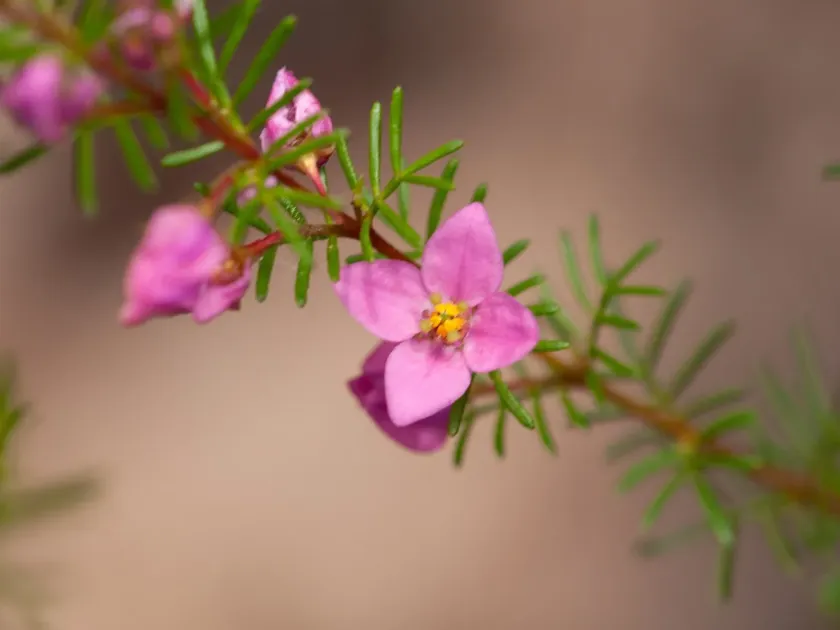
Description
Growing requirements
Boronia pulchella is a small, evergreen shrub belonging to the Rutaceae family. Native to the south-western regions of Western Australia, it is prized for its delicate, fragrant pink flowers that bloom in abundance.
The cultivation of this species requires well-drained, sandy, and acidic soils. It is highly sensitive to waterlogging, which necessitates careful site selection or the use of porous growing media when kept in containers.
Regarding light, it prefers partial shade or dappled sunlight. Intense, direct solar radiation can damage the foliage and cause excessive dehydration, especially in warmer climates where the plant needs protection during the peak of the day.
Temperature management is essential, as the plant originates from a Mediterranean-type climate. It thrives in moderate temperatures and must be protected from frost, which can be fatal to its delicate stems and roots.
In terms of agricultural and horticultural use, it is primarily a decorative plant. It is used in specialized garden beds, rock gardens, or as a pot plant for greenhouses where its aesthetic and aromatic properties can be fully appreciated.
Main diseases and pests
The primary threats to Boronia pulchella are fungal root pathogens, commonly referred to as root rot. These are typically triggered by excessive moisture and poor soil aeration, which weaken the plant's natural defenses.
Pest pressure is mainly attributed to spider mites and mealybugs. These insects thrive in dry, stagnant air conditions and can cause significant damage to the plant's photosynthetic capacity by sucking sap from the leaves.
To mitigate these threats, growers should maintain adequate spacing between plants to ensure good airflow. Regular monitoring of the foliage helps in detecting early signs of infestation before populations reach critical levels.
Preventative measures include using clean tools, sterile potting mixes, and avoiding the use of fertilizers that raise the pH levels above the ideal range. Proper pH management is key to maintaining a vigorous immune system.
In the event of severe pest infestation, the use of mild horticultural oils or targeted biological controls is recommended over harsh systemic pesticides, which may be phytotoxic to this sensitive member of the Rutaceae family.