
Boronia hybrid
Boronia heterophylla x Boronia megastigma
Description
Growing requirements
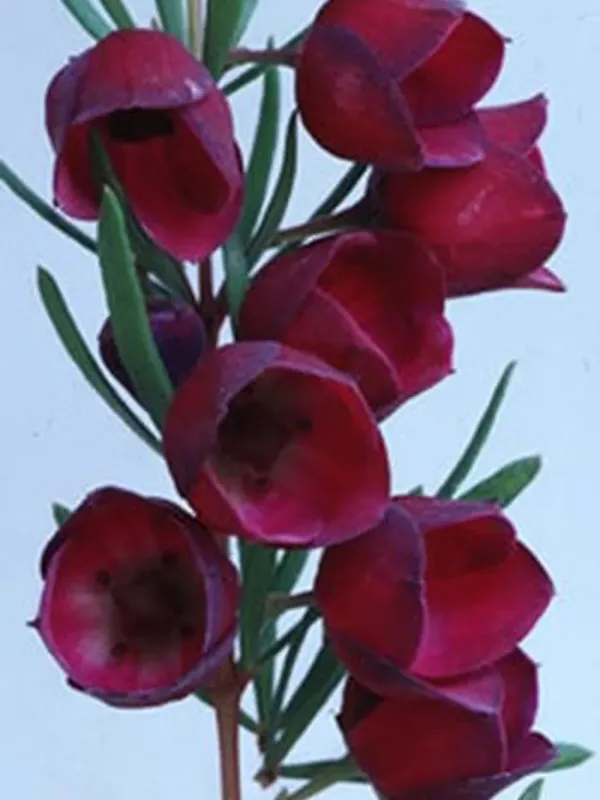
Boronia hybrid (Boronia heterophylla x Boronia megastigma) is an elegant evergreen shrub belonging to the Rutaceae family. This hybrid combines the visual appeal of its parents, producing bell-shaped flowers that are highly prized in horticulture for their intense and delightful fragrance.
The plant requires precise environmental conditions to thrive, preferring a temperate climate with moderate temperatures. It is notably sensitive to temperature extremes, making it suitable for protected cultivation in regions where frost or intense heat occurs frequently throughout the year.
Cultivation requires well-draining, acidic soil conditions. Because Boronias have sensitive, fine root systems, it is crucial to use a high-quality potting mix that prevents waterlogging while maintaining adequate moisture levels. A drainage layer at the bottom of the container is highly recommended.
Bright, filtered light is essential for the healthy growth of this hybrid. Direct sunlight can scorch the delicate foliage, while insufficient light may result in leggy growth and poor flowering. Providing a stable, airy environment is key to maintaining the plant's overall health.
Proper care involves frequent but light watering using soft or rainwater to avoid lime accumulation. Fertilization should be managed carefully with specialized fertilizers intended for phosphorus-sensitive plants, ensuring that the nutrient concentration does not stress the root system.
Main diseases and pests
Root rot is the most serious threat to Boronia hybrid, usually caused by improper soil moisture management. Once the root system begins to decay, the plant often shows symptoms like chlorosis or sudden wilting, which are difficult to reverse without aggressive intervention.
Spider mites are common pests that thrive in dry indoor environments. These microscopic insects feed on the plant sap, leading to foliage discoloration and loss of vitality. Regular misting and maintaining appropriate humidity levels are effective ways to deter these pests.
Powdery mildew can occur if the airflow around the plant is insufficient, especially in greenhouse conditions. This fungal disease creates a white powdery layer on the leaves, which hinders photosynthesis and weakens the shrub, requiring prompt treatment with suitable fungicides.
Aphids occasionally infest the tips of young shoots, causing distorted growth. Because Boronia is sensitive, it is recommended to use gentle, systemic insecticides or horticultural soaps to manage infestations without damaging the foliage or the plant's natural fragrance production.
To ensure a long lifespan for the plant, regular maintenance and monitoring are necessary. Removing dead or diseased branches immediately helps prevent the spread of infections and encourages the growth of healthy new shoots throughout the active growing season.