
Pseudopanax edgerleyi
Pseudopanax edgerleyi K. Koch
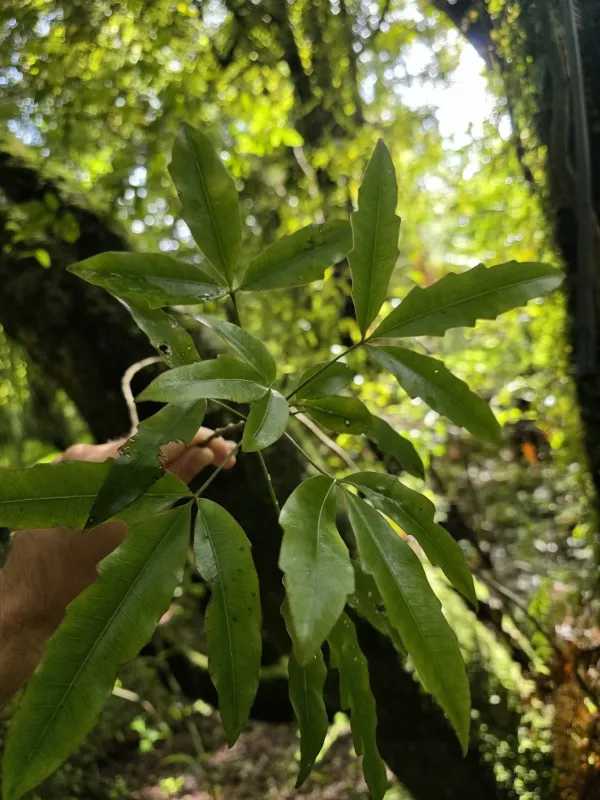
Description
Growing requirements
Pseudopanax edgerleyi is an evergreen tree species belonging to the Araliaceae family, native to the temperate forests of New Zealand. It is highly valued for its unique foliage and elegant structure.
The plant requires well-draining, nutrient-rich soil to thrive. It performs best in moisture-retentive substrates that prevent waterlogging, as the root system is highly sensitive to hypoxia.
Climatic requirements involve stable, mild temperatures and high atmospheric humidity. It is not frost-hardy and should be kept in protected environments if the local climate drops below freezing levels.
It prefers dappled sunlight or partial shade conditions. Strong, direct sunlight is generally detrimental to the leaf tissue, leading to bleaching and sunburn on the younger foliage.
Agrotechnical management involves regular fertilization during the growing season and avoiding excessive moisture in the root zone. Consistent air circulation is critical to maintaining the plant's health in container gardening.
Main diseases and pests
Spider mites are the most common pest found on Pseudopanax, especially in indoor environments with low humidity. They weaken the plant by feeding on the sap, causing yellowing and leaf drop.
Root rot pathogens, such as Phytophthora species, represent a major threat when irrigation is not properly managed. Overwatering or poor drainage significantly increases the risk of infection.
Mealybugs can manifest on stems and leaf axils, requiring manual removal or the application of horticultural oils. Monitoring plants periodically is essential to prevent severe infestations.
Leaf spot diseases can occur due to fungal pathogens in poorly ventilated environments. Proper sanitation and removing infected leaves prevent the further spread of spores within the collection.
Nutrient deficiency or improper pH levels can predispose the plant to various physiological disorders. Providing a balanced, micronutrient-enriched fertilizer ensures the plant maintains its natural defense mechanisms.