
Pseudopanax discolor
Pseudopanax discolor Kirk
Description
Growing requirements
Pseudopanax discolor, commonly known as the discoloration pseudopanax, belongs to the Araliaceae family. It is a slow-growing evergreen shrub native to the North Island of New Zealand, often found in coastal and lowland forest habitats.
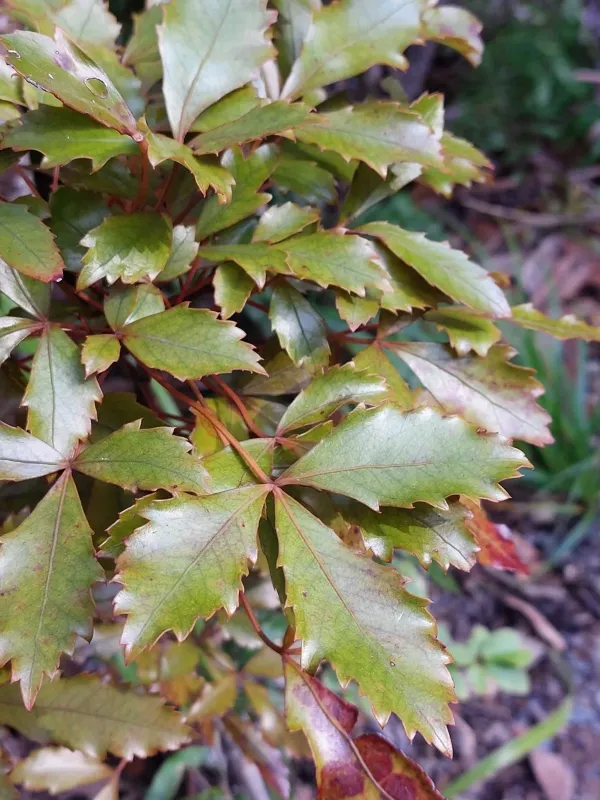
The plant is highly regarded for its distinctive foliage. Juvenile plants exhibit long, narrow, dark bronze-purple leaves with serrated edges, creating a stunning visual contrast in a garden setting. As the plant matures, the leaves broaden and shift towards a deep, lustrous green.
Regarding its environmental requirements, this species thrives in well-drained, nutrient-rich soil. It is particularly sensitive to waterlogged conditions, which can lead to rapid root degradation. Ensuring adequate drainage is the most critical step during planting.
The plant prefers partial shade, which protects it from the intense midday sun. While it can handle light winds, it performs best in sheltered locations. In cooler climates, it must be grown in containers, as it lacks sufficient cold hardiness to survive freezing winter temperatures outdoors.
Basic maintenance involves consistent irrigation throughout the growing season and occasional light pruning to shape the canopy. Mulching is recommended to maintain soil moisture levels and suppress weed growth around the root zone.
Main diseases and pests
The primary threat to Pseudopanax discolor is root rot, which typically develops in poorly drained, soggy soil. Preventing stagnant moisture is the key to maintaining a healthy specimen over many years.
Common indoor or greenhouse pests include mealybugs and scale insects. These pests often congregate on stems and the undersides of leaves, requiring regular monitoring and prompt intervention if detected.
Spider mites are another significant concern, particularly in environments with low air humidity. They cause stippling on the leaves and can lead to premature leaf drop if an infestation is allowed to spread unchecked.
Fungal leaf spot diseases may occur if the plant is kept in an area with poor air circulation. Increasing spacing between plants or using a fan in indoor setups can mitigate this risk significantly.
Effective pest management involves using horticultural oils or systemic insecticides. Always test a small area of the foliage first, as young, sensitive plants can react negatively to harsh chemicals if applied in high concentrations.