
Pseudopanax linearis
Pseudopanax linearis (Hook. f.) K. Koch
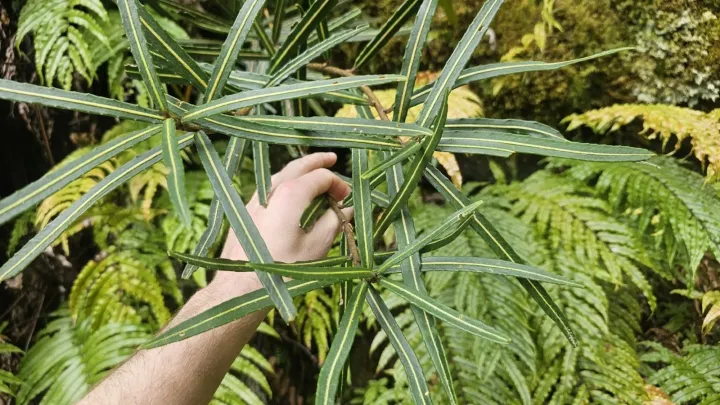
Description
Growing requirements
Pseudopanax linearis is a distinctive shrub from the Araliaceae family, native to New Zealand's mountainous regions. It is highly valued for its striking, narrow, linear leaves that create a unique architectural silhouette in a garden setting.
This plant thrives in moist, well-drained soils that are rich in organic matter. Soil pH should ideally be neutral to slightly acidic, as high alkalinity can induce nutrient deficiencies and inhibit the absorption of essential micronutrients.
Regarding light requirements, Pseudopanax linearis performs best in filtered light or partial shade. Exposure to intense mid-day sun should be avoided to prevent leaf scorching and desiccation of the delicate foliage.
Environmental stability is crucial for this species. It prefers cool, temperate climates and does not fare well in hot, humid summers. Adequate spacing is necessary to ensure proper airflow, which is essential for preventing foliar diseases.
Cultural practices should focus on maintaining constant, moderate moisture levels. During the active growing season, regular irrigation is required, while winter maintenance involves reducing water intake significantly to avoid root rot.
Main diseases and pests
The primary pests targeting Pseudopanax linearis are scale insects and spider mites. These pests thrive in dry conditions and can cause significant damage to the plant's vascular system if not controlled promptly.
Root rot is a significant threat associated with poor drainage. Once the root system is compromised, the plant is susceptible to secondary infections by soil-borne pathogens, often leading to irreversible decline.
Mealybugs can be problematic, often hiding in the crevices of the stem or the base of the leaves. Manual removal or the use of horticultural oils is recommended for minor infestations during the early stages.
Leaf spot diseases, caused by various fungi, may occur if the foliage remains wet for extended periods in environments with poor ventilation. Ensuring proper pruning and spacing significantly mitigates these risks.
Integrated pest management (IPM) is the most effective approach for this crop. Regular monitoring for signs of stress or infestation allows for targeted intervention, reducing the need for broad-spectrum chemical applications.