
Pseudopanax gilliesii
Pseudopanax gilliesii T. Kirk
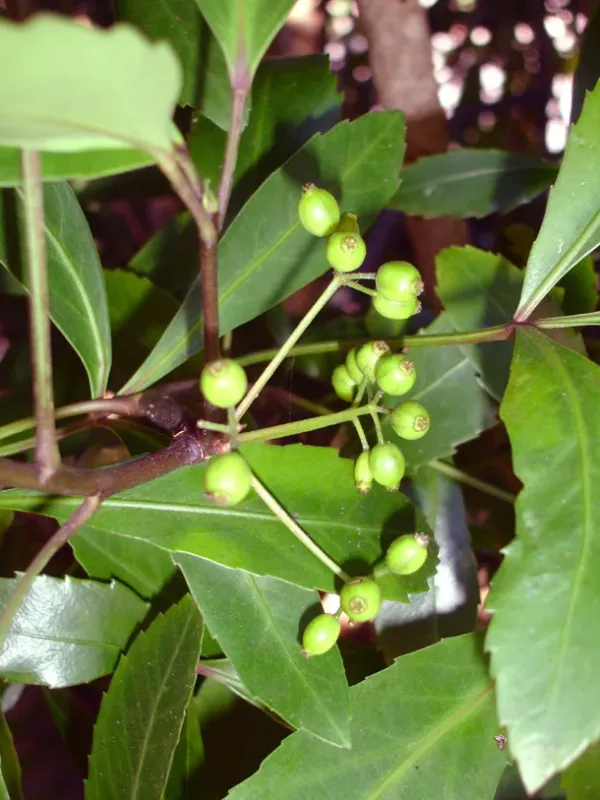
Description
Growing requirements
Pseudopanax gilliesii is an evergreen shrub or small tree belonging to the Araliaceae family, native to the diverse temperate regions of New Zealand. This species is highly valued for its striking, glossy, and leathery foliage that adds a distinct texture to garden compositions.
The plant thrives in fertile, well-draining soils with a neutral pH. It is essential to ensure that the site has excellent drainage, as the roots are particularly sensitive to waterlogging, which often leads to rapid decline in plant health.
Environmental conditions should mimic its natural habitat, favoring a temperate climate with consistent moisture levels. While it adapts well to coastal environments, it requires protection from severe frost and strong, desiccating winds that can damage the delicate foliage.
Regarding light exposure, partial shade is ideal. While some older specimens can handle brighter positions, young plants often suffer from foliage scorch if exposed to intense, direct afternoon sunlight for prolonged periods.
Cultural maintenance involves routine irrigation during dry spells and light pruning to encourage a denser growth habit. It is a slow-to-moderate grower, requiring patience and stable conditions to reach its full ornamental potential.
Main diseases and pests
Fungal pathogens causing leaf spot are the primary concern for this species, especially in areas with stagnant air and consistently high humidity levels during the growing season.
Scale insects and spider mites are common pests that tend to infest the undersides of leaves, particularly when the plant is kept in an environment that is too dry or lacks adequate airflow.
Root rot, induced by overwatering, remains the most fatal threat, necessitating strict adherence to irrigation schedules and the inclusion of coarse materials in the potting mix.
Aphids might colonize the tender tips of new growth in the spring, which can be managed with targeted botanical oils or gentle pressure washing of the affected areas.
Preventative measures, such as proper spacing for air circulation and avoiding overhead watering, significantly reduce the incidence of both pests and pathological issues.