
Pseudopanax crassifolius
Pseudopanax crassifolius (Soland. ex A. Cunn.) K. Koch
Description
Growing requirements
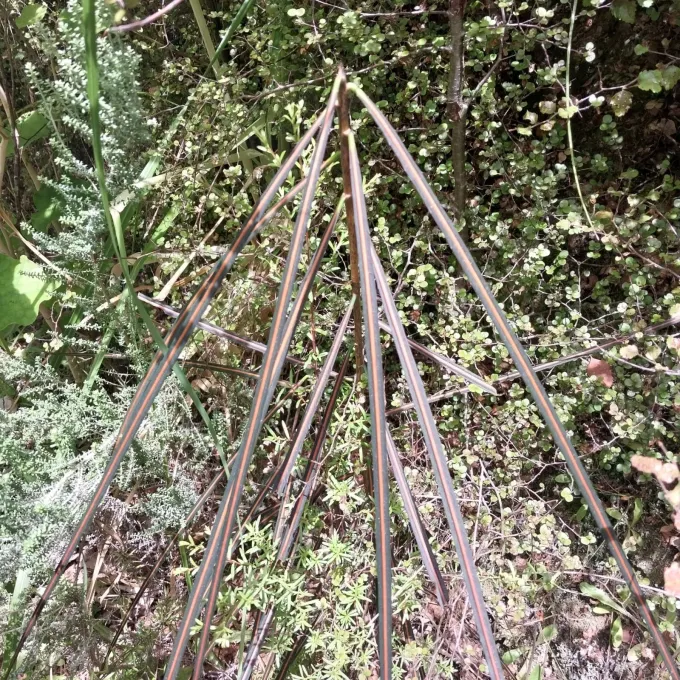
Pseudopanax crassifolius, commonly known as lancewood, is a distinctive evergreen tree belonging to the Araliaceae family. Native to New Zealand, this species is widely recognized for its dramatic heteroblasty, where juvenile leaves look significantly different from those of mature trees.
The species thrives in fertile, well-drained soils with a slightly acidic to neutral pH. It is intolerant of waterlogged conditions, which can quickly lead to root rot; therefore, selecting a site with natural slope or incorporating organic matter to improve soil aeration is essential for optimal growth.
Regarding climate, the plant prefers temperate conditions and is moderately cold-hardy. While mature specimens can withstand mild frosts, younger plants require protection against harsh winds and freezing temperatures to avoid damage to their tender apical growth and leaf structure.
Exposure requirements involve partial shade or dappled sunlight. While the plant can adapt to sunnier spots once established, providing protection from intense mid-day heat helps maintain foliage quality and prevents scorched leaves, ensuring the tree retains its striking aesthetic appeal.
Cultural practices include consistent watering during the establishment phase and regular mulching to retain soil moisture. Nutrient management should focus on slow-release fertilizers applied in early spring, which support steady growth without inducing excessive, weak succulent development.
Main diseases and pests
Root rot and crown diseases are the primary threats, usually precipitated by poor drainage and excessive irrigation. Maintaining a proper soil moisture balance is the most effective preventative measure against fungal pathogens that can compromise the plant's vascular system.
Pests that occasionally affect Pseudopanax crassifolius include spider mites and scale insects, which often appear during periods of low humidity. Integrated pest management, including monitoring the undersides of leaves and applying horticultural oils or soaps, is effective in keeping these populations in check.