
Hibiscus heterophyllus
Hibiscus heterophyllus Vent.
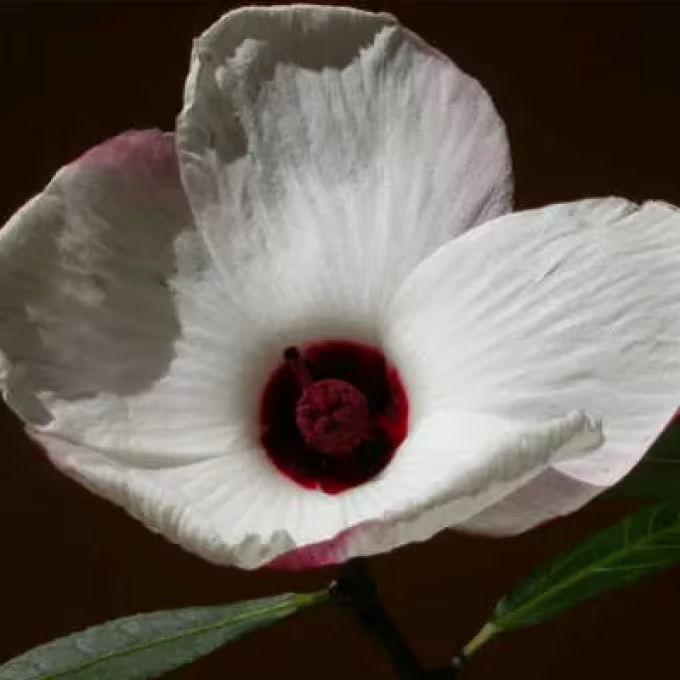
Description
Sowing dates
Seeds of Hibiscus heterophyllus should be sown in late winter or early spring using a high-quality seed-starting mix. A warm environment with temperatures between 22 and 25 degrees Celsius is crucial for successful germination.
Soaking the seeds in warm water for several hours prior to sowing helps soften the seed coat and improves overall germination rates. Ensure the growing medium remains consistently moist but not waterlogged during the initial stages.
Plant the seeds at a shallow depth of about 0.5 to 1 cm, as they require a bit of ambient light to trigger the sprouting process. Covering the tray with a clear dome will maintain the humidity levels needed for consistent results.
Seedlings should be pricked out and transferred into individual pots once the first true leaves have developed. This step provides the developing root systems with adequate room to expand without competing for nutrients.
Transplant the young plants to their final outdoor location only when all risk of frost has passed. Hardening off the plants by gradually exposing them to outdoor conditions over a week will reduce transplant shock significantly.
Growing requirements
Hibiscus heterophyllus, belonging to the Malvaceae family, is native to Australia. It is recognized for its ornamental beauty and, in some contexts, as a source of natural fiber, making it a versatile agricultural species.
The plant thrives in fertile, well-draining soils with a slightly acidic to neutral pH. Proper soil preparation is essential to prevent water stagnation, which can lead to rapid root decay in this specific Hibiscus species.
Full sun exposure is a non-negotiable requirement for this plant to reach its full potential. Without sufficient sunlight, the branches will become leggy and weak, significantly reducing the plant's overall aesthetic and structural integrity.
Regular irrigation is necessary throughout the growing season, particularly during prolonged dry spells. While it is relatively drought-tolerant once established, consistent moisture promotes more vigorous growth and larger blooms.
Temperatures should remain warm to ensure optimal physiological function. While it can survive minor fluctuations, the plant is not cold-hardy and requires protection or indoor storage in regions that experience harsh winter frosts.
Main diseases and pests
Common pests affecting this crop include aphids and spider mites, which typically target the foliage during warm, dry weather. Regular monitoring of the underside of leaves is the most effective way to catch infestations early.
Powdery mildew can become a significant problem in environments with poor airflow or high humidity levels. Pruning to maintain good air circulation among the plants is a key cultural practice to prevent this fungal issue.
Root rot is often the result of heavy soils or over-irrigation and is one of the most serious threats to the plant's health. Providing adequate drainage in the planting bed is the primary defense against this condition.
Whiteflies can also cause issues in greenhouse settings, feeding on plant sap and potentially spreading viral diseases. Integrated pest management, including the use of sticky traps and biological controls, is highly recommended.
Practicing crop rotation is vital when growing Hibiscus heterophyllus, especially in commercial settings, to prevent the build-up of soil-borne pathogens. Avoid planting in areas recently occupied by other Malvaceae members.
Harvesting
The harvest for fiber production typically takes place during the peak flowering stage when the stems reach maximum maturity. Harvesting at this time ensures the best balance between fiber quantity and quality.
The harvested stems undergo a process known as retting, where they are submerged in water to separate the useful fibers from the woody inner core. This traditional method requires careful timing to avoid fiber degradation.
Once separated, the fibers are cleaned, washed, and dried thoroughly under shaded conditions. Proper drying prevents mold growth and maintains the structural strength of the fibers before they are baled for industrial use.
For ornamental purposes, harvesting involves deadheading spent flowers and pruning back branches after the bloom cycle. This encourages the plant to maintain a compact, bushy shape and prepares it for the next growth phase.
Seed collection should occur only after the seed pods have turned fully brown and dry on the stem. Storing the harvested seeds in a cool, dark, and dry place will ensure high viability for future planting seasons.