
Purple Rock Rose
Cistus x purpureus Lam.
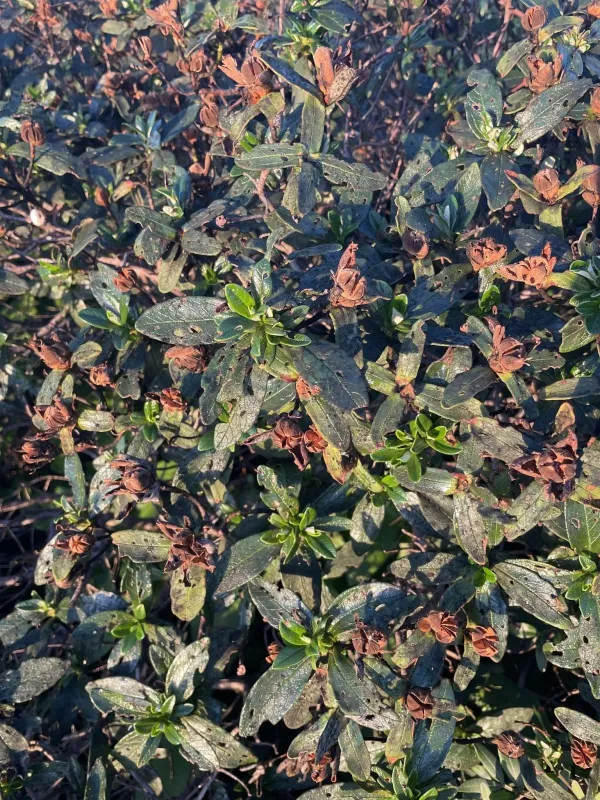
Description
Growing requirements
The Purple Rock Rose (Cistus x purpureus) is an evergreen shrub belonging to the Cistaceae family. This ornamental hybrid is native to the Mediterranean region and is highly valued for its ability to thrive in poor, rocky soils and arid climates.
Cultivation requires full sun exposure to ensure healthy foliage and prolific blooming. The plant is remarkably drought-tolerant once established, making it an excellent choice for low-maintenance garden designs, rockeries, and xeriscaping.
Soil requirements are straightforward: the medium must be extremely well-drained. Heavy clay soils or areas prone to waterlogging are detrimental to this species, as they quickly trigger root rot and decline in health.
Botanically, the plant is known for its sticky, dark green leaves and large, vibrant magenta flowers, each featuring a distinct dark spot at the base. These flowers typically bloom from late spring into early summer, adding high ornamental value.
In terms of climate, it performs best in mild regions. While it can withstand occasional light frosts, extreme cold or prolonged freezing temperatures can severely damage the plant, necessitating protection or indoor overwintering in northern climates.
Main diseases and pests
The primary threat to the Purple Rock Rose is excess moisture, which leads to root and crown rot. This fungal issue is often exacerbated by poor drainage or lack of air circulation, making proper site selection the most important preventive measure.
Pests are generally not a major concern due to the plant's aromatic, resinous leaves, which act as a natural deterrent. However, in poorly ventilated greenhouses, infestations of aphids or spider mites may occur and require monitoring.
Regular maintenance includes light pruning after the flowering season to keep the shrub dense and prevent it from becoming woody or leggy. Removing spent flowers can encourage a cleaner look, though pruning should never be severe.
The plant is susceptible to powdery mildew during humid springs. Ensuring adequate space between individual plants promotes airflow and significantly reduces the risk of fungal outbreaks in dense garden plantings.
Economically, the species is cultivated for the production of labdanum, a sticky resin harvested from the leaves and stems. This substance is an essential ingredient in the perfume industry, serving as a fixative for various aromatic compounds.