
Pulmonaria mollis
Pulmonaria mollis Wulfen
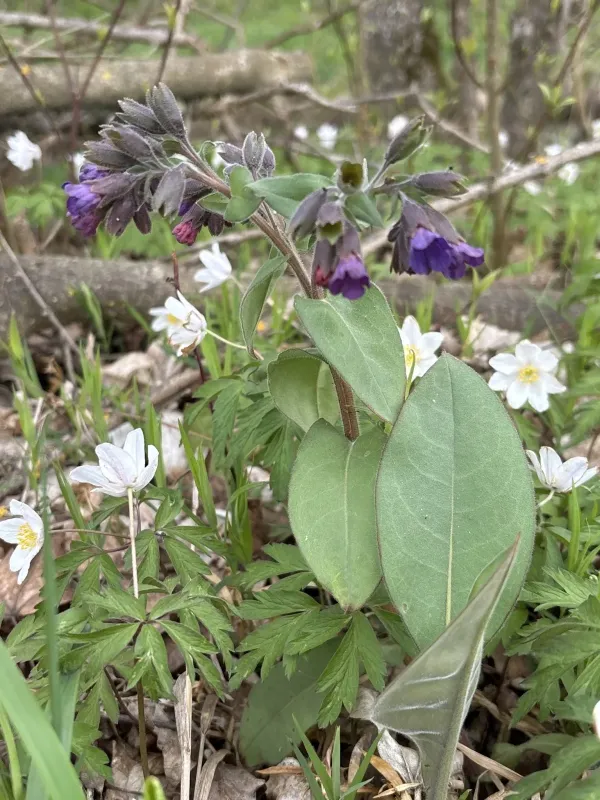
Description
Sowing dates
Propagation of Pulmonaria mollis is typically achieved through seeds sown in autumn or via division of mature plants in late summer.
Seeds require a period of cold stratification to break dormancy, making outdoor autumn sowing the most natural and effective method.
When dividing established clumps, ensure each section has a healthy root system and at least one growth bud for successful establishment.
Sow seeds shallowly in a prepared seedbed, keeping the soil consistently moist until germination occurs during the following spring.
Proper spacing of 30 to 40 cm is essential to allow for the spread of the foliage and to ensure healthy air circulation around the plants.
Growing requirements
Pulmonaria mollis belongs to the Boraginaceae family and is native to mountainous and forest regions of Europe and Western Asia.
This species thrives in shady or semi-shaded environments, preferring cool, humus-rich soils that remain moist throughout the growing season.
It is a highly winter-hardy perennial, capable of enduring cold temperatures while remaining dormant during the winter months.
Soil should be well-drained but have good water-retention capacity to meet the plant's high moisture requirements without causing root rot.
Regular additions of organic matter, such as leaf mold or compost, help maintain the fertility levels required for lush foliage development.
Main diseases and pests
Powdery mildew is the most common fungal disease, typically occurring during periods of high humidity and restricted airflow.
Slugs and snails can cause significant aesthetic damage to the leaves, especially during wet springs and early summer seasons.
Maintaining clean planting areas and removing debris helps reduce the population of pests and the risk of pathogen accumulation.
If an infestation occurs, integrate sustainable pest control methods or targeted treatments to protect the integrity of the leaves.
Providing adequate spacing between individual plants is the most effective cultural practice to prevent fungal issues and improve plant health.