
Red lungwort
Pulmonaria rubra Schott
Description
Sowing dates
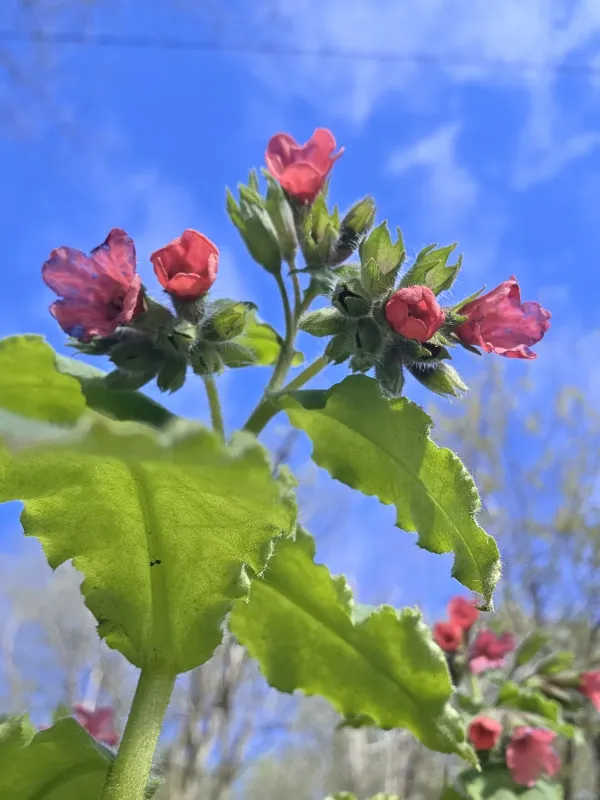
Red lungwort, botanically known as Pulmonaria rubra, belongs to the Boraginaceae family and is a robust perennial herb. Seeds should ideally be sown in the autumn, as cold stratification is essential for breaking dormancy and ensuring high germination rates in the spring.
When starting seeds indoors, use a well-draining potting mix and keep the containers in a cool environment. Maintain consistent moisture levels throughout the germination phase, which typically takes between three to four weeks to conclude successfully.
Vegetative propagation via division is the most effective method for maintaining cultivar integrity. This process is best performed immediately after the plant has finished flowering or during the early autumn months when temperatures are moderate.
Divide large, mature clumps using a sharp, sterilized garden knife or spade. Ensure that every segment of the crown contains a healthy root system and at least one or two buds, which are critical for the regrowth and establishment of the plant.
When transplanting divisions into the garden, space them approximately 30 to 40 centimeters apart. This spacing encourages adequate air circulation around the foliage, which is vital for reducing the risk of fungal pathogens in the future.
Growing requirements
This species thrives in partial to full shade, making it an excellent choice for woodland garden settings. Direct, harsh sunlight should be avoided as it can cause the leaves to scorch and diminish the plant's overall aesthetic appeal throughout the season.
Soil should be rich in organic matter, moist, and well-draining. While the plant appreciates regular watering, it is intolerant of waterlogged conditions, which can quickly lead to root rot and other physiological stressors during the growth cycle.
Apply a layer of organic compost or leaf mold around the base of the plant in the spring to boost soil fertility and improve moisture retention. This practice mimics the natural forest floor environment that the plant is biologically adapted to utilize.
In hot and dry climates, supplemental irrigation is necessary to keep the soil consistently damp. Mulching the area with shredded bark or compost also helps regulate soil temperature and prevents the rapid evaporation of water from the root zone.
Red lungwort is cold-hardy and does not require winter protection in most temperate zones. Its origin in the Carpathian and Balkan mountain regions makes it highly adaptable to varying seasonal changes in both temperate and northern climates.
Main diseases and pests
Powdery mildew is a common challenge, especially in humid and poorly ventilated conditions. To manage this issue, ensure adequate space between individual plants and avoid overhead watering, which creates the damp environment fungi prefer.
Slugs and snails can cause significant damage to the lush foliage of the plant during wet growing seasons. Applying organic barriers such as crushed eggshells or using specific bait traps can effectively protect the plants from these hungry garden pests.
Aphids occasionally infest the developing flower spikes, sucking the sap and weakening the plant. Monitor the shoots closely during the spring and apply insecticidal soap or neem oil if a significant population build-up is observed during inspections.
Grey mold (Botrytis) may occur if drainage is insufficient and the plant is left in stagnant, moist conditions for an extended duration. Remove any affected tissue immediately to prevent the infection from spreading to the healthy parts of the plant.
Root rot is the most lethal threat and is almost always caused by improper irrigation or planting in heavy, clay-based soils. Always verify that the garden site has good drainage before introducing red lungwort to the landscape.