
Narrow-leaved lungwort
Pulmonaria angustifolia L.
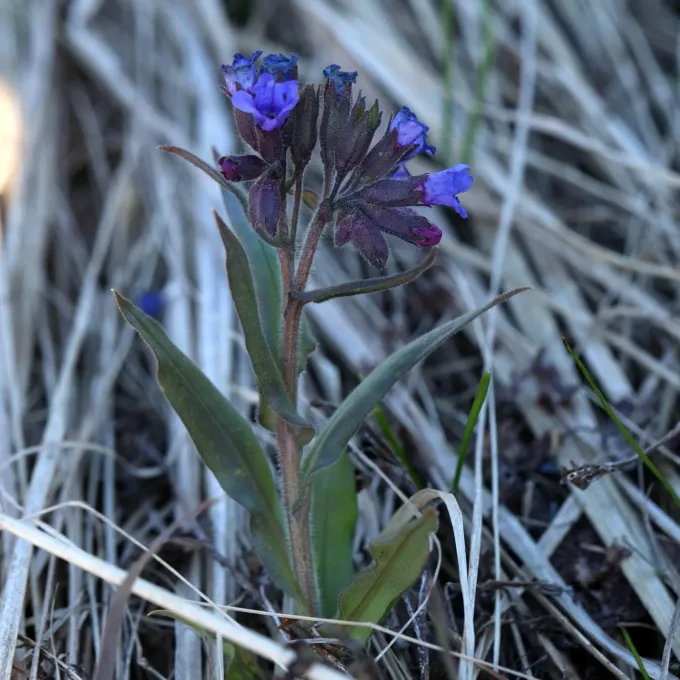
Description
Growing requirements
Narrow-leaved lungwort (Pulmonaria angustifolia L.) is a perennial herbaceous plant belonging to the Boraginaceae family. It is widely recognized for its ecological value, acting as an early nectar source and a traditional medicinal plant.
The plant originates from the forest zones of Europe. It is naturally adapted to growth in the understory, where filtered light and consistently moist soil conditions prevail throughout the spring season.
When cultivated in an agricultural or garden setting, it requires rich, well-draining loamy soils with a pH ranging from neutral to slightly acidic to maximize its growth and flowering performance.
A semi-shaded environment is ideal for this crop. Direct, prolonged exposure to intense sunlight during summer months can lead to leaf scorching and premature dormancy, reducing the plant's overall vigor.
Consistent moisture management is essential. While the plant thrives in humid conditions, it is highly sensitive to waterlogged environments which quickly promote root rot and physiological decline.
Main diseases and pests
Powdery mildew is the most frequent pathological threat to this species, particularly appearing during late summer when humidity fluctuates and temperatures rise, affecting the foliage quality.
Slugs and snails are the primary pests that damage the crop. They are attracted to the succulent foliage, particularly in nurseries or early spring plantings where the canopy is dense and provides shelter.
Cultural control methods such as proper spacing and weeding are the first line of defense. Ensuring that the foliage can dry quickly after rainfall significantly reduces the incidence of fungal issues.
Monitoring for insect pests during the flowering phase is critical to ensure both plant health and the safety of pollinating insects that visit the flowers during early spring.
If chemical intervention becomes necessary, use only products approved for ornamental or medicinal crops to avoid harming the beneficial insect populations in the vicinity.