
Lungwort
Pulmonaria officinalis L.
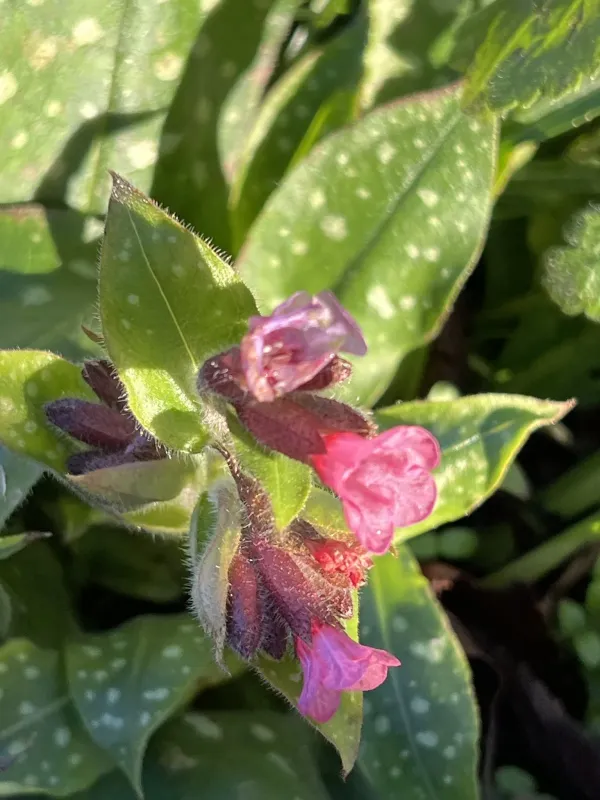
Description
Sowing dates
The sowing of Lungwort seeds is best performed during the autumn period or in early spring following a necessary stratification process. The seeds possess a hard coat, requiring exposure to cold temperatures for 6–8 weeks to break dormancy and ensure high germination rates.
For spring sowing, it is essential to prepare the soil by ensuring a loose, friable structure. Seeds should be planted at a shallow depth of approximately 1.5 to 2 cm, ensuring they are covered with a fine layer of soil to maintain optimal moisture levels for germination.
A planting density that allows for 40–50 cm between rows is ideal, providing sufficient airflow and space for the foliage to develop fully. Overcrowding can lead to poor plant health and increased vulnerability to fungal diseases due to stagnant air conditions.
When grown from seeds, the plant typically forms a robust leaf rosette by the end of the first year, with mass flowering occurring from the second year onwards. Alternatively, vegetative propagation by dividing the rhizomes after flowering is a highly effective method.
Adequate irrigation is crucial during the early stages of establishment. Lungwort is sensitive to drought during its initial growth phase, so keeping the soil consistently moist is a key factor in ensuring a successful and uniform crop stand.
Growing requirements
Lungwort, a member of the Boraginaceae family, is a shade-tolerant perennial. In its natural habitat, it thrives in deciduous forests, making it an excellent candidate for shaded or partially shaded areas that provide protection from direct, intense sunlight.
The plant performs best in fertile, humus-rich soils with a neutral or slightly acidic pH. Proper drainage is imperative, as Lungwort will quickly succumb to root rot if planted in heavy, waterlogged soils where oxygen availability is limited.
This species is highly cold-hardy and can withstand severe winter temperatures without needing special coverage. However, it is sensitive to late spring frosts, which can damage the emerging flower buds, necessitating the selection of sheltered locations.
Before planting, the incorporation of organic matter, such as well-rotted compost or leaf mold, is highly recommended to improve soil structure and nutrient availability. Phosphorus and potassium-rich fertilizers can further boost the plant's vigor and flowering potential.
Routine weeding is necessary, particularly while the plants are young and less competitive. Applying a layer of mulch, such as pine bark or composted leaves, helps retain soil moisture, suppresses weeds, and maintains the cool, moist environment preferred by the species.
Yield
The yield of Lungwort herb depends heavily on management practices and soil fertility. On a commercial scale, a well-managed plantation can produce between 1.5 and 2.5 tonnes of dried raw material per hectare, provided that optimal growing conditions are maintained.
Peak productivity is generally observed between the third and fourth years of the plantation's life. After five years, yields often begin to decline, indicating the need for rejuvenation through rhizome division or the establishment of a completely new plot.
Lungwort acts as a significant early-season honey plant. The presence of nearby bee colonies enhances pollination efficiency, which may lead to better seed set, although the primary focus of the crop remains the aerial parts for medicinal use.
To ensure long-term sustainability, only one main harvest should be performed per growing season. Harvesting too frequently can exhaust the rhizome's energy reserves, leading to reduced vigor and diminished productivity in subsequent years.
The final yield quality is dictated by post-harvest management. The drying process must be carried out in shaded, well-ventilated areas where temperatures do not exceed 40 degrees Celsius to preserve the essential bioactive compounds like allantoin.
Main diseases and pests
Powdery mildew is the most common and damaging disease for Lungwort. It manifests as a white, dusty fungal growth on the leaves, which thrives in high humidity and poor ventilation. Preventive measures include ensuring adequate spacing and selecting well-drained sites.
Root rot is a major threat linked to poor irrigation management and high soil moisture. To mitigate this risk, it is essential to ensure the planting site has excellent drainage and to avoid over-watering during periods of high rainfall or cool weather.
Slugs and snails can pose a significant problem, especially to young foliage in the spring. Implementing mechanical barriers or using eco-friendly control measures helps protect the plants without leaving harmful chemical residues on the medicinal harvest.
Aphids can occasionally infest the plants, though they rarely cause fatal damage. Regular monitoring and the use of insecticidal soaps or biological controls are usually sufficient to manage these populations if they reach damaging levels.
Maintaining proper crop rotation and practicing strict garden hygiene, such as removing debris after harvest, are essential strategies for preventing the build-up of soil-borne pathogens and ensuring the long-term health of the medicinal crop.
Harvesting
The harvest should take place during the peak flowering phase, as this is when the concentration of medicinal compounds in the leaves is at its maximum. Collecting the material at this specific time ensures the highest quality of the final product.
The aerial parts are harvested by cutting the stems about 5–10 cm above the ground. It is critical to leave the basal rosette intact to allow the plant to recover and photosynthesize for the remainder of the season.
Harvested material must be transported to the drying facility immediately to prevent heating. Piling fresh biomass leads to rapid fermentation, which ruins the herb's aroma, color, and medicinal profile.
Using breathable containers or crates during transit helps maintain the herb's integrity and prevents moisture buildup. Cleanliness is paramount, as any soil contamination significantly lowers the value and processing potential of the herb.
Dried Lungwort should be stored in opaque, airtight containers in a cool, dry place. Under optimal storage conditions, the herb remains potent for up to two years, after which it should be replaced with a fresh harvest.