
Narrow-leaved lungwort
Pulmonaria longifolia (T. Bastard) Boreau
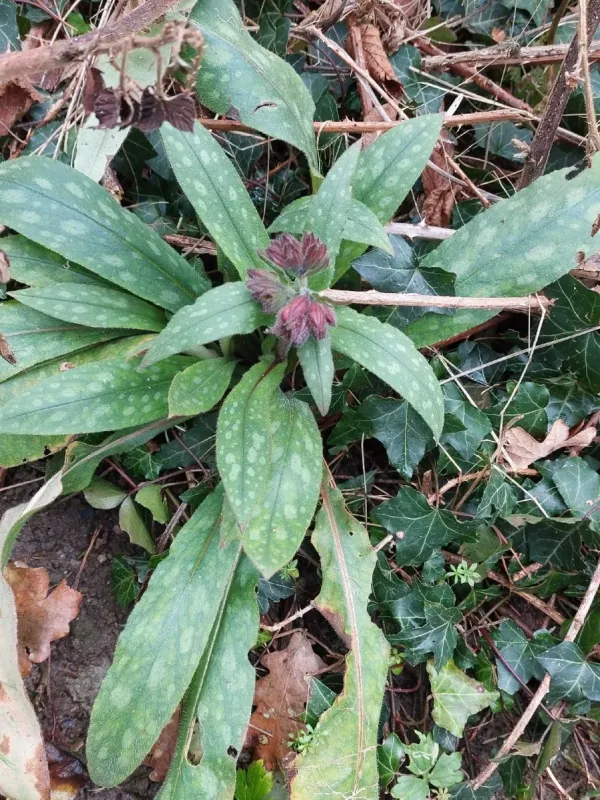
Description
Sowing dates
Pulmonaria longifolia is propagated through seed sowing or division of the root system. Seeds are typically sown outdoors in the late autumn, benefiting from natural cold stratification which improves overall germination rates.
For container-grown seedlings, seeds should be sown in late winter using a light, well-draining potting medium. Maintaining consistent surface moisture is crucial, while preventing waterlogging that can lead to damping-off disease.
Division of mature plants is best performed in early spring or late August, immediately after the flowering period. Each division should possess a healthy crown and a sufficient root mass to ensure rapid establishment in the new location.
Planting density should be maintained at approximately 30-40 centimeters apart. This spacing is essential for proper air circulation, which helps reduce the risk of humidity-related fungal diseases within the dense foliage clusters.
The chosen site for sowing should offer protection from direct afternoon sunlight. Dappled shade provided by trees or taller shrubs mimics the plant's natural habitat, promoting optimal growth and leaf color development.
Growing requirements
As a member of the Boraginaceae family, this plant thrives in moist, humus-rich loamy soils. It lacks tolerance for prolonged drought, making consistent irrigation a mandatory practice for maintaining its aesthetic value.
Narrow-leaved lungwort is remarkably winter-hardy and adapts well to various temperate climates. It requires minimal protection during the winter months, provided there is adequate snow cover to insulate the soil surface.
The soil should ideally be neutral or slightly alkaline. In areas with highly acidic soil, incorporating dolomite lime can improve nutrient availability and support better root development for the perennial crowns.
Organic mulching is a fundamental aspect of its maintenance. Applying a layer of leaf mold or decomposed compost helps retain soil moisture and provides a steady source of nutrients throughout the growing season.
Fertilization is recommended twice annually: a nitrogen-based fertilizer in early spring to encourage leaf growth, followed by a balanced phosphorus-potassium fertilizer in late summer to prepare the plant for dormancy.
Main diseases and pests
Powdery mildew is the most common threat, particularly in environments with high humidity and poor air circulation. Effective management involves using sulphur-based fungicides or cultural practices like thinning to improve airflow.
Slugs and snails can cause significant damage to the foliage during moist weather conditions. Implementing barrier methods, such as crushed eggshells or gravel, can effectively deter these pests from reaching the tender leaves.
Root rot may occur in poorly drained areas or with excessive irrigation. If signs of rot are observed, the affected plant should be removed and the surrounding soil treated to prevent the spread of soil-borne pathogens.
Aphids occasionally infest flower stalks during the early spring flush. Using insecticidal soaps or neem oil is a safe and effective way to manage localized populations without causing harm to beneficial insects.
Nematodes, while less frequent, can cause severe stress to the root system. Proper sanitation, including the destruction of infested plant material and rotating planting beds, is the primary method of control.
Harvesting
Pulmonaria longifolia is primarily utilized for its ornamental value in landscaping and forest-style gardens. It is highly valued for its early spring blooms, which appear well before the canopy leaves fully develop.
Leaves for herbal purposes may be harvested during the active growth stage. The foliage should be dried in a cool, well-ventilated, and dark area to preserve the integrity of the phytochemical compounds within the leaves.
Seeds are collected in June as the pods begin to darken but before they spontaneously rupture. It is often recommended to use fine mesh bags over the seed heads to ensure an efficient recovery of the mature seeds.
Post-flowering, a sanitary trim of the stems encourages the plant to direct energy into its foliage. This practice keeps the plant tidy and supports the development of lush, healthy leaves for the remainder of the season.
The plant serves as a vital early-season nectar source for pollinators. Due to its shade tolerance, it integrates perfectly with companion plants like ferns, hostas, and astilbes in mixed garden borders.