
Bethlehem sage
Pulmonaria saccharata Mill.
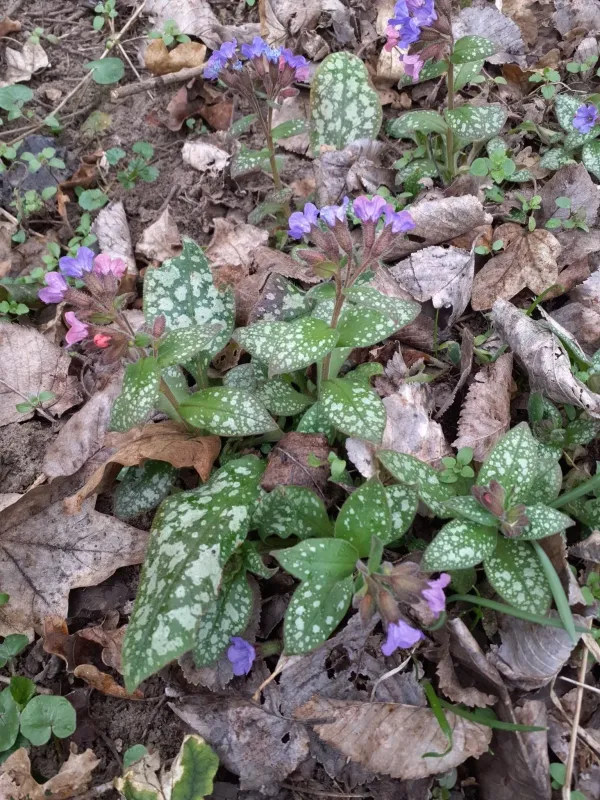
Description
Sowing dates
Pulmonaria saccharata, commonly known as Bethlehem sage, is a member of the Boraginaceae family. It is predominantly propagated by division, which is the most reliable method for maintaining specific cultivar traits, such as the distinct white leaf spotting.
The ideal time for division is either in late summer or early autumn, once the plant has finished its active blooming cycle. Division involves carefully lifting the clump and separating it into smaller portions, ensuring each part has roots and a healthy leaf rosette.
Seeds can also be used for reproduction, though it is less common in commercial gardening due to genetic variability. Seeds should be sown in autumn to allow for natural stratification, which is essential for uniform germination in the following spring.
When sowing in containers, use a well-draining seed-starting mix and cover the seeds lightly with soil. Maintain moisture consistently throughout the winter and early spring until the first true leaves appear.
Once established, the plants are quite vigorous. Spacing of 30 to 45 centimeters between plants is recommended to ensure adequate air circulation and to prevent the development of moisture-related leaf diseases.
Growing requirements
Bethlehem sage thrives in partial to full shade, making it a perfect candidate for woodland gardens or north-facing borders. Exposure to direct afternoon sunlight can lead to severe leaf scorch and dehydration.
The species prefers moist, fertile, and humus-rich soil that retains water without becoming waterlogged. Amending the planting area with organic matter such as compost or leaf mold enhances soil structure and nutritional availability.
Water management is critical; the plants perform best in soil that stays consistently damp but drains well. Regular irrigation during dry summer spells is necessary to prevent the leaves from drooping and developing brown edges.
The plant is highly tolerant of cold climates and generally does not require winter protection in temperate zones. A thin layer of mulch applied in late autumn serves as an excellent insulator and helps keep weeds at bay during the growing season.
Maintaining a neutral to slightly acidic pH level is optimal for Pulmonaria saccharata. Periodic monitoring of soil health and top-dressing with organic mulch will ensure long-term vitality for many years.
Main diseases and pests
The primary concern for Bethlehem sage is powdery mildew, which often appears in hot, humid summers or environments with poor air circulation. Symptoms include white powdery spots on the upper leaf surfaces, which eventually spread.
To combat mildew, focus on preventative measures such as thinning out dense foliage to improve airflow. If an outbreak occurs, applying organic fungicides or potassium bicarbonate sprays can help manage the condition.
Slugs and snails represent the most significant pest risk, especially in wet spring conditions. They feed on the succulent foliage, leaving behind unsightly holes and jagged edges that can reduce the overall vigor of the plant.
Root rot, driven by stagnant moisture, can be fatal. Ensure that the planting site has adequate drainage, and avoid using heavy, clay-based soils without incorporating grit or organic matter to loosen the texture.
Regular sanitation, which includes removing dead or decaying leaves at the end of the season, reduces the overwintering sites for both fungi and pests. Keeping the surrounding area clean is a simple but effective strategy for plant health.