
Common fleabane
Pulicaria vulgaris
Description
Growing requirements
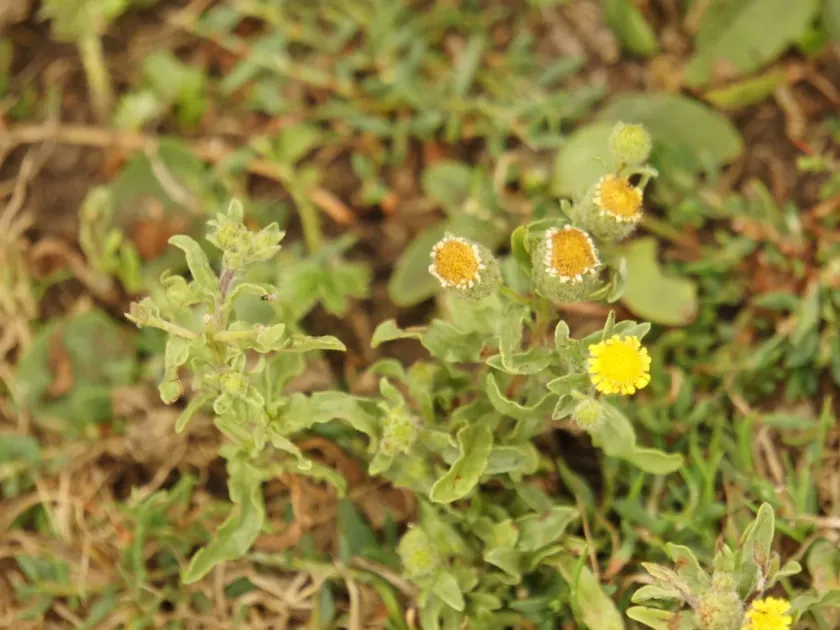
Common fleabane (Pulicaria vulgaris) is an annual herbaceous plant belonging to the Asteraceae family. It is recognized for its branched stems and small, bright yellow flower heads that bloom from mid-summer.
The plant is native to a broad range of regions, including Europe, Western Asia, and North Africa. It is typically found in habitats with high moisture content, such as riverbanks, marshy meadows, and damp pastures.
Requirements for growth include exposure to full sunlight. The species thrives in open areas where it does not compete with dense canopy cover, allowing it to complete its reproductive cycle effectively.
Soil preferences lean towards loamy or clayey textures that retain moisture. While it can handle occasional flooding, it requires a period of soil stability to establish a robust root system during the early development stages.
The climate requirement is essentially temperate, as the plant is adapted to the seasonality of European ecosystems, utilizing the warmer months for rapid vegetative growth and flowering.
Main diseases and pests
The main threats to common fleabane include insect pests such as leaf beetles and various aphid species that pierce plant tissues to feed, leading to reduced vigor and stunted growth.
Pathogenic fungi present a significant risk, particularly during periods of persistent rain or high humidity, which favor the development of powdery mildew and leaf spotting diseases.
Inter-species competition is a constant challenge. In agricultural settings, the species is often outcompeted by more aggressive grasses and invasive weeds that capture light and nutrients more efficiently.
Management of the plant in crop fields is usually handled through standard agricultural practices, such as mechanical weeding, which is highly effective against this annual species.
Herbicide usage on adjacent commercial crops often reduces the presence of this plant, as it is susceptible to many broad-spectrum chemical controls used in conventional farming systems.