
Pulicaria incisa
Pulicaria incisa
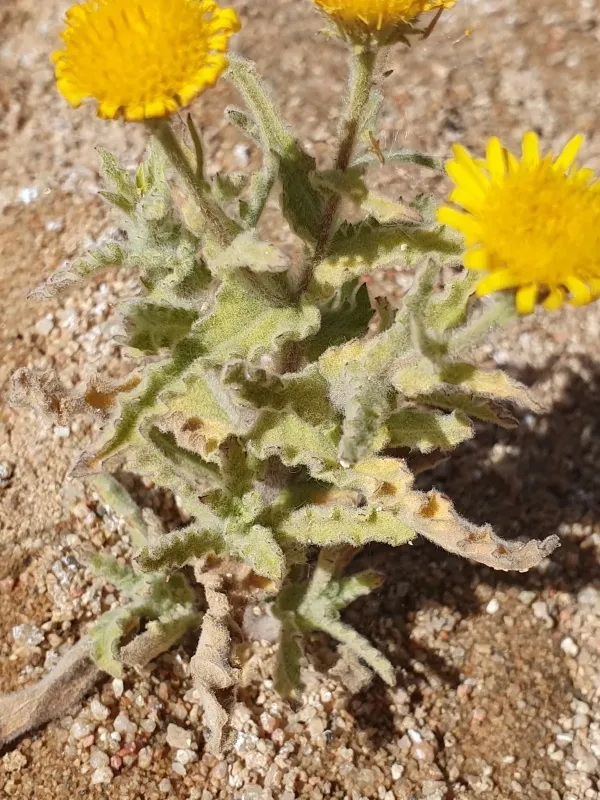
Description
Sowing dates
Sowing this crop in natural conditions coincides with the beginning of the rainy season, which provides the necessary soil moisture for successful germination. Under controlled conditions, it is recommended to use stratified seeds to increase the percentage of germination.
The optimal time for sowing in temperate regions is early spring, after the risk of frost has passed. Seeds should be sown at a shallow depth as they require sufficient sunlight for proper development during the initial stages.
To establish optimal planting density, the crop is sown in rows with wide spacing, allowing the plants to develop their root systems without restriction. It is critical to maintain stable soil moisture during the first two to three weeks after seedling emergence.
In commercial plant production, the transplanting method can be used to shorten the adaptation period of the crop in the field. Seedlings are transplanted when they reach the three-to-four true leaf stage, taking care to avoid root ball damage.
Subsequent thinning is necessary to ensure each plant receives adequate nutrients and solar energy. Regular weeding during early development stages is essential to minimize competition from weeds.
Growing requirements
Pulicaria incisa belongs to the Asteraceae family and is a typical representative of xerophytic flora adapted to the harsh conditions of arid regions. The plant prefers well-drained sandy or sandy-loam soils with low humus content.
The crop shows high tolerance to soil salinity, making it a promising candidate for the reclamation of degraded lands. The optimal pH level for stable growth ranges from neutral to slightly alkaline.
Light requirements are very high: the plant is an obligate sun-lover and reacts negatively to shading. Under low light conditions, vegetative growth slows down, and the concentration of essential oils in the tissues decreases significantly.
Temperature must remain consistently high during the growing season, as the culture is sensitive to drastic fluctuations in day-night temperatures combined with excess humidity. Good soil aeration is mandatory to prevent root rot.
Mineral nutrition in the wild is limited, but under cultivation, the crop responds well to moderate applications of phosphorus and potassium fertilizers. Nitrogen excess leads to excessive biomass growth at the expense of biologically active compound accumulation.
Yield
The yield of green mass of Pulicaria incisa directly depends on moisture availability during the peak growth period. With irrigation, productivity can increase several times compared to wild-growing populations.
Raw material harvesting is conducted during the mass flowering phase, when the concentration of essential oils and flavonoids reaches its peak. During this period, the plant possesses maximum pharmacological properties.
The average dry matter yield depends on planting density and agricultural practices, usually ranging from several quintals per hectare under extensive farming. Product quality is evaluated based on extractive content and aromatic profile.
Post-harvest processing involves mandatory shade-drying with good ventilation, which helps preserve volatile components. Direct sunlight exposure on harvested raw materials is unacceptable as it leads to the loss of active compounds.
Storage of dried plant material is carried out in dry, dark, and ventilated rooms using airtight containers. Proper drying techniques ensure the preservation of the crop's market quality over a long period.
Main diseases and pests
The greatest threat to the crop is fungal diseases that develop when moisture stagnates in the root zone. Powdery mildew infection can occur in dense plantings with poor field ventilation.
Pests such as aphids and spider mites can cause significant damage when grown in protected environments or during abnormally dry weather. Regular monitoring of crop conditions allows for prompt identification of infestation hotspots.
Root nematodes represent a hidden threat, so crop rotation is recommended to avoid monocropping on the same plot for more than three years. Soil fumigation might be necessary when preparing sites with high infestation levels.
The use of chemical pesticides is discouraged because the crop is often utilized for medicinal purposes. It is recommended to apply biological protection methods, including treatment with insecticidal herbal infusions.
Weeds are also a critical factor that can suppress the development of young Pulicaria plants. Mechanical inter-row cultivation remains the most effective and safe method for weed control in this crop's fields.