
Pulicaria odora
Pulicaria odora
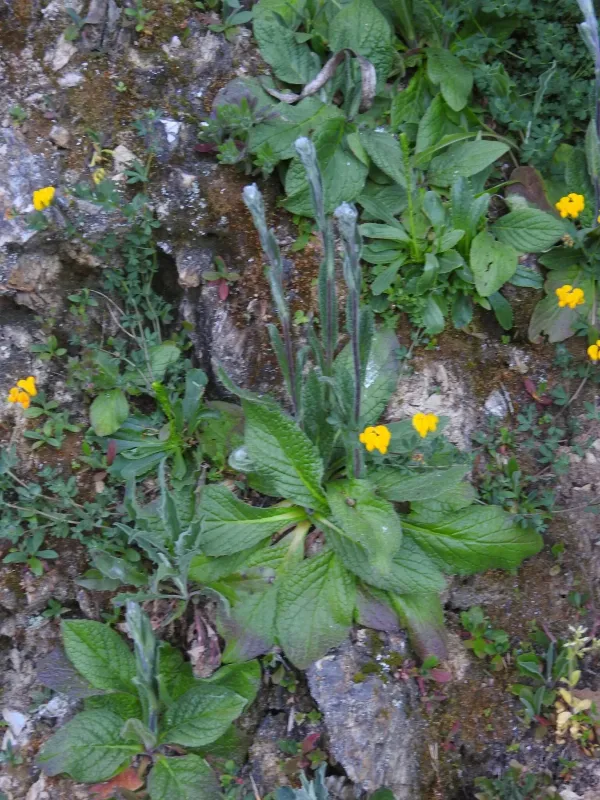
Description
Sowing dates
Sowing of Pulicaria odora is typically performed in early spring when the soil temperature consistently reaches 12–15 degrees Celsius. The seeds require high-quality soil preparation to ensure successful germination and early establishment.
The seeds should be planted at a shallow depth of 1 to 2 centimeters. Because they are quite fine, surface moisture must be carefully managed during the first few weeks after sowing to prevent the seeds from drying out.
Row planting with spacing of 45 to 60 centimeters is recommended for field cultivation. This spacing allows for efficient weed control between rows, which is essential for the healthy development of the plants during their initial growth phase.
Transplanting seedlings started in greenhouses is a common method for achieving higher plant density and uniform growth. This approach provides a competitive advantage against weeds and ensures a more predictable harvest window.
It is important to firm the soil gently after sowing to ensure good contact between the seeds and the substrate. This practice significantly improves water uptake and speeds up the emergence of healthy seedlings.
Growing requirements
Pulicaria odora, a member of the Asteraceae family, is naturally adapted to Mediterranean climates. It thrives in sunny locations, as direct sunlight is crucial for the synthesis of the essential oils that define its value.
The ideal soil for this crop is well-drained, light, and sandy or loamy. It performs poorly in heavy, waterlogged soils, which can lead to root rot and other physiological issues related to oxygen deficiency in the root zone.
The crop is relatively drought-tolerant once established, but it responds positively to regular, moderate watering during peak growth and budding stages. Extreme heat and cold should be avoided by choosing appropriate planting sites or using covers.
Air circulation is vital for the health of the plants. Proper spacing and regular weeding ensure that the plants are not crowded, which helps prevent the accumulation of excess humidity around the leaves and stems.
Soil cultivation, including light hoeing, should be performed throughout the growing season to maintain soil structure and aeration. This also helps in managing weeds that compete for nutrients and moisture.
Yield
The yield of Pulicaria odora is largely dependent on the planting density and the consistency of agricultural practices. Under favorable conditions, farmers can expect a steady production of biomass suitable for essential oil distillation.
Essential oil content typically peaks during the full flowering stage. Therefore, the timing of the harvest is critical to maximize the return on investment. Yield data shows that stressed or poorly maintained plants produce significantly lower concentrations of oil.
Supplementing the soil with balanced mineral fertilizers, specifically those rich in phosphorus and potassium, encourages stronger plant structure and increases the production of secondary metabolites.
Old plants often see a decline in both biomass yield and oil quality. Crop rotation or periodic renewal of the fields every few years is recommended to keep the production levels high and profitable for commercial purposes.
Post-harvest handling is a significant factor in the final yield. Ensuring that the raw material is processed or dried promptly prevents the loss of volatile compounds, which represent the most valuable part of the harvested crop.
Main diseases and pests
Pests such as aphids and spider mites are common threats that feed on the soft tissues of the plant. If left untreated, these pests can severely stunt growth and reduce the overall quality of the essential oils.
Fungal infections, particularly root rot, are more prevalent in over-watered fields or areas with poor drainage. Pathogenic fungi can quickly kill an entire crop if the soil moisture is not managed properly throughout the season.
Weeds are a significant threat as they harbor diseases and pests that can easily transfer to the cultivated plants. Integrated pest management, including regular manual or mechanical weeding, is a key component of a healthy farm strategy.
Preventative measures, such as selecting resistant cultivars and maintaining optimal planting density, are the best defense against threats. Chemical interventions should be minimized, especially when the crop is intended for the pharmaceutical industry.
Monitoring the field for early signs of wilting or discoloration allows for quick intervention. Removing and destroying affected plants immediately is often enough to stop a local infection from spreading throughout the whole plantation.
Harvesting
The harvesting of Pulicaria odora occurs during the peak flowering phase. This is the moment when the concentration of essential oils is at its highest, ensuring the maximum possible quality of the final extracted product.
Mechanical harvesters are typically used for large-scale operations. It is crucial to set the cutting height to preserve the crown of the plant, which allows for better recovery and potential regrowth for the next season.
Immediate transportation to the drying facility is essential to maintain the integrity of the essential oils. Delaying the process can cause fermentation, which significantly alters the chemical profile and aroma of the crop.
Drying must be conducted in controlled conditions, ensuring that temperatures do not exceed 40 degrees Celsius. Excessive heat can degrade the delicate aromatic compounds, resulting in a lower quality product for the market.
Packaging the final dried material in air-tight, moisture-resistant containers protects it from oxidation and loss of aroma. Proper storage conditions ensure that the product retains its value during shipping and extended periods of storage.