
Pulicaria microcephala
Pulicaria microcephala
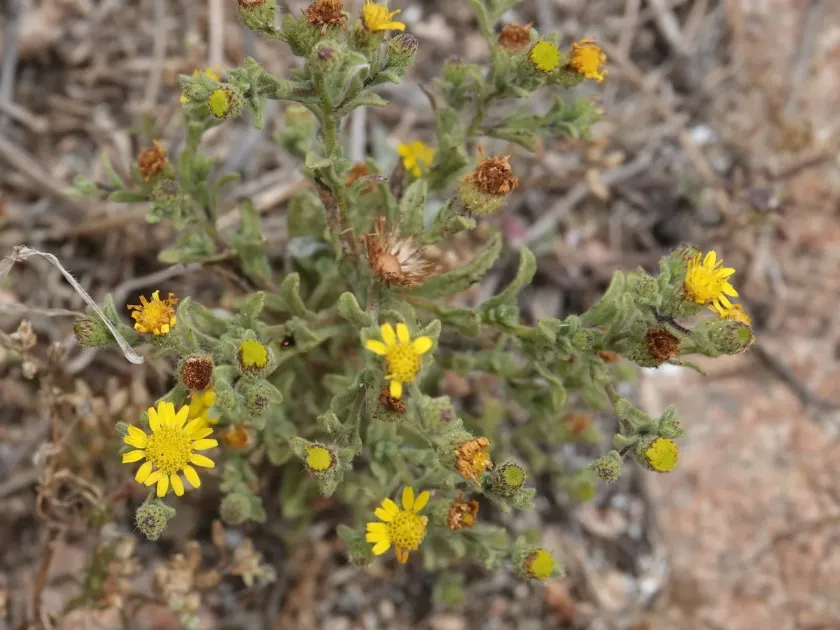
Description
Sowing dates
Sowing Pulicaria microcephala is typically performed in early spring as soon as the soil reaches optimal temperatures. The seeds show excellent germination rates, provided they are sown with appropriate care.
The optimal planting depth is 1 to 2 centimeters. Sowing too deep may delay seedling emergence, reducing the overall competitive vitality of the plants in the early stages of development.
For efficient industrial production, a row spacing of 45–60 centimeters is recommended. This setup facilitates mechanical weed control and ensures adequate airflow between the plant rows.
Maintaining appropriate plant density is crucial. Overcrowded fields can increase the risk of fungal infections due to high humidity and poor ventilation near the soil surface.
In regions with mild winters, autumn sowing can be viable, allowing the seeds to utilize spring moisture effectively for a faster start to the growing season.
Growing requirements
Pulicaria microcephala belongs to the Asteraceae family and is a sun-loving species. It requires open, well-lit areas to ensure healthy development and optimal essential oil accumulation.
The crop prefers moderately moist, well-drained soils. Sandy loam or light loamy substrates with neutral to slightly alkaline pH levels are considered ideal for this species.
While the plant demonstrates resilience against short-term droughts, professional cultivation requires regular irrigation during active growth stages to ensure high biomass production.
Fertility requirements are modest; however, moderate applications of nitrogen-phosphorus fertilizers during early vegetative stages can significantly boost foliage growth and root strength.
Drainage is a critical factor for success. Waterlogged soils in cool conditions frequently lead to root rot, which can cause significant damage to the overall plantation.
Yield
The yield of Pulicaria microcephala is heavily dependent on precise agronomic practices and favorable weather conditions during the growing season. Harvesting typically occurs at full flowering.
When all agricultural requirements are met, the crop produces high-quality biomass suitable for extraction in the cosmetic, pharmaceutical, or perfume industries.
Harvesting should be conducted in dry weather conditions. Speed is essential during harvest to minimize the evaporation of volatile oils before the raw material reaches the drying facilities.
Economic efficiency is measured by the essential oil output per unit of land, making this a potentially high-value crop for specialized farms focusing on botanical resources.
Maintaining a rotation cycle is advised to ensure stable annual yields, preventing the buildup of species-specific pathogens in the soil from repeated cropping in the same area.
Main diseases and pests
The primary threats to this crop involve fungal pathogens that thrive in humid environments. Powdery mildew is one of the most common issues affecting the leaves of these plants.
Various pests, including aphids and leaf-eating beetles, can cause significant stress to young plants by consuming foliage and extracting vital plant juices, thus weakening development.
Root rot remains a major concern in poorly drained fields. Proactive management involves maintaining soil porosity and avoiding irrigation patterns that lead to surface water retention.
Integrated pest management, including biological control, is preferred to ensure that the medicinal or aromatic quality of the raw material remains free from chemical pesticide residues.
- Rotating fields every 3-4 years.
- Implementing consistent weed control measures.
- Monitoring plant health to detect early signs of infestation.
Harvesting
Harvesting takes place during the peak flowering stage when the concentration of secondary metabolites and essential oils in the flower heads is at its absolute maximum.
Standard harvesting involves mowing the aerial parts 10–15 centimeters above the soil level, which allows the plant stubble to recover if future regrowth is desired.
Harvested material must be moved immediately to drying areas. Active ventilation during the drying process is essential to preserve the delicate natural fragrance and chemical integrity.
Drying is complete when stems become brittle and the flowering parts detach easily from the stalks without losing the structural integrity of the botanical material.
Once dried and cleaned of debris, the product must be stored in airtight containers within cool, dry conditions to maintain its commercial and therapeutic value until processing.