
Common fleabane
Pulicaria dysenterica
Description
Growing requirements
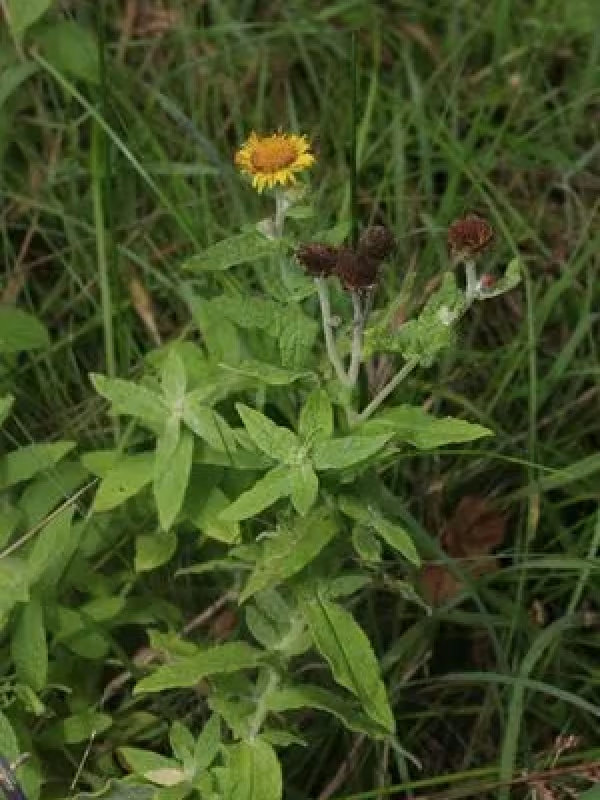
Common fleabane (Pulicaria dysenterica) is a perennial herbaceous plant belonging to the Asteraceae family. It is widely distributed across Europe and parts of Asia, typically found in damp, marshy habitats and along the edges of ditches.
The plant grows from a creeping rhizome, allowing it to form dense colonies in suitable environments. Its stems, which can reach up to 80 cm in height, are densely covered with woolly hairs, providing an aesthetic and protective barrier.
In terms of soil requirements, this plant thrives in moisture-retentive, heavy soils, such as clays and loams. It does not tolerate drought and requires a consistent supply of water throughout the growing season to ensure healthy floral development.
Climate conditions should be temperate. The species is highly adaptive, though it requires full sun to partial shade exposure to maximize the production of its characteristic yellow, ray-floret flower heads.
Agrotechnical management involves regular moisture monitoring and soil structure maintenance. While not a conventional commercial crop, its management often involves selective harvesting for botanical research or ecological restoration projects.
Main diseases and pests
Common fleabane can be vulnerable to aphid infestations, which tend to congregate on the stems and developing buds. These insects can reduce the overall health of the plant if left unchecked for long periods.
Powdery mildew is a prevalent fungal disease, particularly when the plants are grown in areas with poor airflow and high humidity. Ensuring proper spacing between individual plants is the most effective preventative measure.
Rust fungi may also affect the leaves during wet summers. This can lead to premature leaf drop and negatively impact the photosynthetic capacity of the plant before the flowering stage is complete.
Root rot caused by stagnant water or pathogens like Phytophthora can occur if the drainage system is inadequate. While the plant loves water, it still requires the soil to have enough porosity to avoid anaerobic conditions.
To maintain plant health, integrated pest management strategies are recommended. Avoiding chemical pesticides is preferable if the material is intended for medicinal or cosmetic harvesting purposes.