
Pulicaria laciniata
Pulicaria laciniata
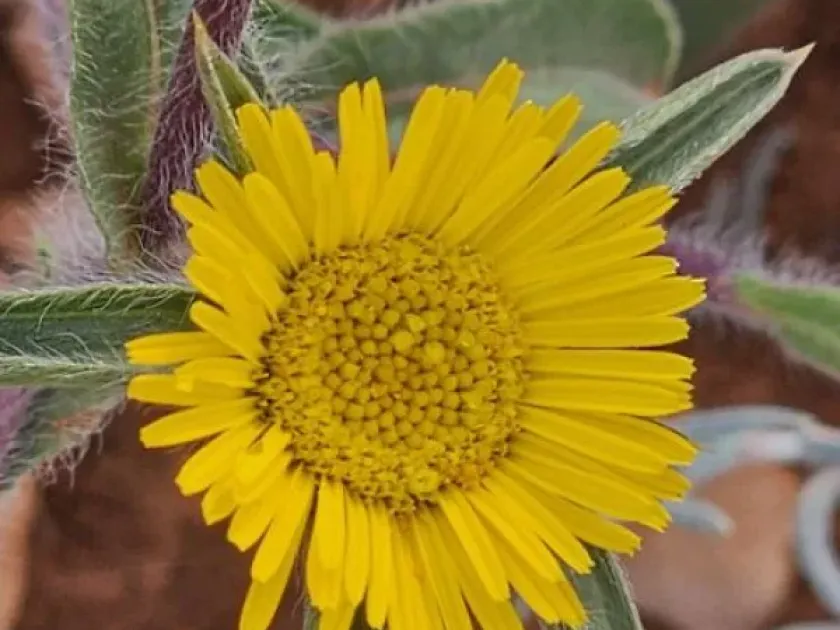
Description
Growing requirements
Pulicaria laciniata is a resilient perennial plant belonging to the Asteraceae family. It is natively adapted to harsh, arid environments where survival depends on extreme physiological mechanisms to conserve water and manage thermal stress.
The plant is botanically characterized by its deeply lobed (laciniate) leaves and distinct trichomes, which form a protective layer to reduce water loss. This structural adaptation allows it to flourish in regions where most other cultivated crops would fail due to excessive heat.
Agricultural success with this species depends on selecting well-drained, sandy, or rocky soil profiles. It shows remarkable tolerance to salinity, making it a candidate for restoring marginal lands that are unsuitable for traditional crop production due to high salt concentrations.
Climate requirements involve high levels of solar radiation and a stable, warm growing season. Since the plant is a xerophyte, water management must be precise to avoid root rot, as the species is highly susceptible to saturated soil conditions during its developmental stages.
In terms of economic value, Pulicaria laciniata is studied for its phytochemistry, particularly its essential oils and secondary metabolites. These compounds are investigated for their antimicrobial and anti-inflammatory properties, offering potential applications in botanical medicine and the pharmaceutical industry.