
Pulicaria orientalis
Pulicaria orientalis
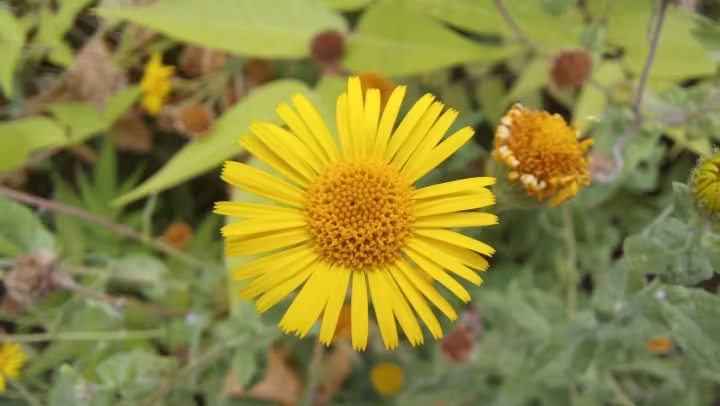
Description
Sowing dates
Pulicaria orientalis is a perennial herbaceous plant belonging to the Asteraceae family. This species is gaining interest in agricultural research as a potential source of secondary metabolites for the pharmaceutical and cosmetic industries.
The sowing process typically begins in early spring when soil temperatures reach at least 10-12 degrees Celsius. Seeds should be sown shallowly, ideally at a depth of 1-2 centimeters, to ensure proper light exposure for early germination.
When establishing a plantation, a row spacing of 45 to 60 centimeters is recommended. This layout promotes optimal air circulation and light penetration, which are essential for the healthy development of leaf rosettes during the first year of growth.
Seedlings emerge within two to three weeks, depending on moisture availability. During this initial stage, it is crucial to keep the soil consistently moist to prevent the seedlings from drying out before their root systems are fully established.
Autumn sowing is also a viable option in milder climates, allowing the seeds to undergo natural stratification. This technique often results in more vigorous spring growth and earlier plant development compared to spring-sown crops.
Growing requirements
Pulicaria orientalis thrives in well-drained, sandy-loam soils with a neutral to slightly alkaline pH. It is notably tolerant of various soil types, including those with moderate salinity, making it a versatile candidate for marginal lands.
The plant requires full sun exposure to maximize the production of bioactive compounds. Partial shade can lead to leggy growth and significantly reduced concentrations of essential oils within the plant tissues.
While known for its drought resistance due to the fine pubescence on its leaves, the plant benefits from periodic irrigation during prolonged dry spells. Consistent water management helps maintain vegetative vigor and overall yield.
Soil management should focus on avoiding waterlogging, as the species is highly susceptible to root rot in poorly drained areas. Incorporating organic matter into the soil prior to planting can improve structure and fertility.
Temperature tolerance is broad, though the plant may require protection during extreme winter cold in regions without reliable snow cover. Mulching is recommended to insulate the roots against freezing temperatures.
Main diseases and pests
Insects such as weevils and various lepidopteran larvae can cause significant damage by feeding on foliage. Integrated pest management strategies, focusing on biological controls, are preferred to maintain the quality of the harvested material.
Powdery mildew is the most prevalent fungal disease affecting this crop, particularly in humid or overcrowded conditions. Proper spacing and airflow are the most effective preventive measures against such infections.
Root diseases, often caused by over-irrigation, can compromise plant health. Implementing a strict crop rotation schedule—avoiding planting on the same site for at least three seasons—helps mitigate soil-borne pathogen risks.
Weed competition is a major challenge during the plant's establishment phase. Mechanical hoeing is the preferred method for control, as it also improves soil aeration and promotes deep rooting of the crop.
Nematodes can occasionally pose a threat in lighter soils. Utilizing resistant cover crops or crop rotation with non-host species remains the primary agronomic strategy for managing these soil-dwelling pests.
Harvesting
Harvesting is ideally timed to coincide with the peak flowering period, as this is when the concentration of essential oils and other active botanical compounds in the aerial parts is at its maximum.
The plants should be cut at a height of 10-15 centimeters above the ground. Leaving a portion of the stem and leaves ensures that the plant can regenerate efficiently for future harvesting seasons.
Post-harvest handling must be rapid to maintain product quality. Transporting the raw biomass to a drying facility immediately after cutting prevents excessive heat exposure, which could degrade the chemical profile.
Drying is best conducted in shaded, well-ventilated conditions at temperatures not exceeding 45 degrees Celsius. Excessive heat during the drying process is a primary cause of quality loss in this botanical crop.
Once dried to the appropriate moisture content, the product should be cleaned of stems and debris. Storing the final material in dark, cool, and dry environments ensures stability and efficacy for up to two years.