
Psychotria viridis
Psychotria viridis
Description
Growing requirements
Psychotria viridis is a prominent member of the Rubiaceae family, widely known for its distribution in the Amazonian basin. This perennial shrub is highly valued for its dense foliage and adaptation to the humid tropical understory environment.
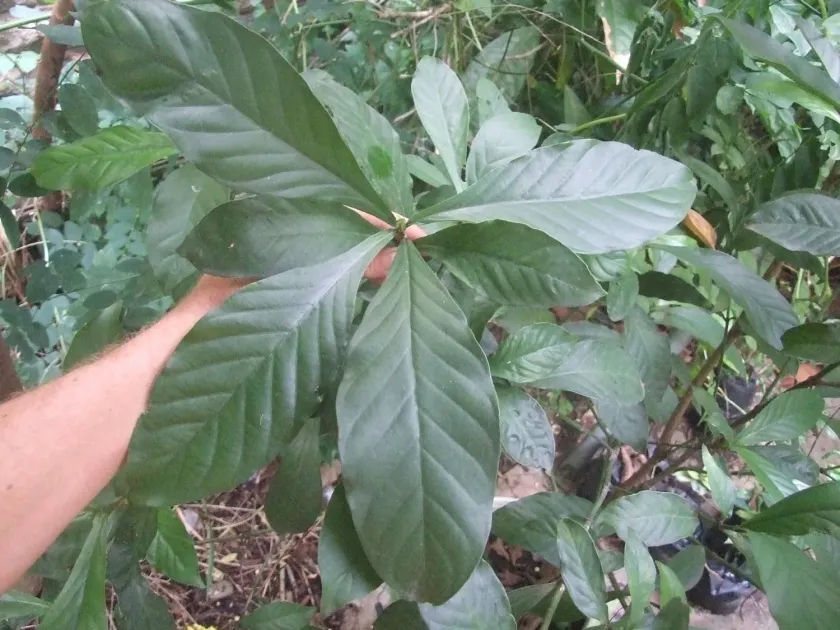
Botanically, the species is characterized by opposite, elliptical, dark green leaves with distinct venation. The plant produces small, white, hermaphroditic flowers, followed by small red berries that contain the seeds used for vegetative and generative propagation.
The cultivation requirements are strict, focusing on high humidity (70-85%) and consistent temperatures ranging between 22°C and 28°C. Deviations from these parameters can lead to significant physiological stress and a dramatic reduction in leaf biomass production.
Regarding soil conditions, Psychotria viridis thrives in acidic, well-draining substrates rich in organic matter. A pH level between 5.5 and 6.5 is essential for optimal nutrient uptake, specifically regarding microelements required for healthy leaf development.
Light management is a critical factor; the plant should be grown in partial shade to avoid leaf scorch. In intensive cultivation, greenhouse systems with artificial shading screens are typically used to maintain the ideal diffuse light levels required by the plant.
Main diseases and pests
Spider mites are the most persistent pest in controlled environments, especially when air humidity is not sufficiently high. They feed on the underside of the leaves, causing chlorosis and eventual necrosis of the foliage.
Root rot, primarily caused by species of Pythium and Phytophthora, represents a major agricultural threat in poorly drained soils. The development of these pathogens is accelerated by overwatering and lack of soil aeration.
Mealybugs can also infest the stems and leaf axils, creating white waxy deposits that attract secondary fungal infections. Mechanical removal combined with insecticidal soap application is often the preferred method of control.
Fungal leaf spot diseases may appear during periods of high humidity and poor ventilation. Keeping the canopy dry and ensuring adequate spacing between plants is vital to prevent the rapid spread of spores within the greenhouse.
To ensure long-term health, growers should practice integrated pest management (IPM), favoring biological controls over heavy chemical interventions to maintain the plant's natural vigor and resistance to biotic stressors.