
Psychotria barbiflora
Psychotria barbiflora
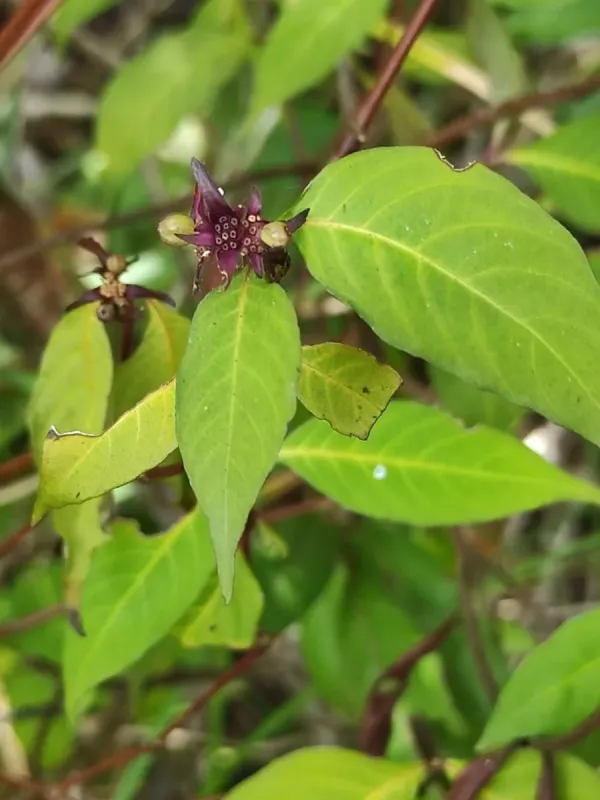
Description
Growing requirements
Psychotria barbiflora is a shrub belonging to the Rubiaceae family, native to tropical environments. It thrives in high-humidity habitats, requiring specific climatic conditions to ensure optimal physiological growth and biomass production.
Climate requirements include constant warm temperatures, ideally between 22 and 28 degrees Celsius. The crop is highly sensitive to thermal stress, specifically freezing or chilling temperatures, which can prove fatal to the plant tissues if not managed properly in a protected environment.
Soil structure should be characterized by high organic content and excellent drainage. The species performs best in slightly acidic soils with a pH ranging from 5.5 to 6.5, which facilitates efficient nutrient uptake and root development in its native range.
Light management is a fundamental aspect of the agronomy of Psychotria barbiflora. As an understory plant in its natural habitat, it requires filtered or diffused sunlight. Exposure to direct, intense solar radiation often leads to leaf scorching and impaired growth rates.
Water management involves maintaining consistent soil moisture without saturation. Irrigation systems should be calibrated to supply water based on evapotranspiration rates to keep the root zone in an aerobic state, thus preventing oxygen deprivation.
Main diseases and pests
Fungal pathogens represent the primary threat to Psychotria barbiflora, particularly in high-density plantations where air circulation is restricted. Preventive pruning and adequate spacing are essential to reduce the humidity levels around the foliage.
Pest management focuses on controlling sucking insects, including spider mites and mealybugs. These pests are prone to infestation during dry seasons and require active monitoring to prevent significant economic damage to the crop's yield.
Root system disorders, specifically those caused by phytopathogenic fungi, are common when irrigation schedules fail to account for drainage capacity. Early detection of leaf yellowing or stunted growth is vital for successful disease intervention.
Integrated Pest Management (IPM) strategies are highly recommended for this crop. Utilizing biological controls, such as beneficial insects, allows for effective population management of parasites while preserving the ecological balance of the plantation.
Sanitation practices, including the removal of infected plant debris, must be strictly enforced. Implementing a rigorous quarantine protocol for new propagation material ensures that nurseries remain free from endemic pests and diseases.