
Psychotria dubia
Psychotria dubia
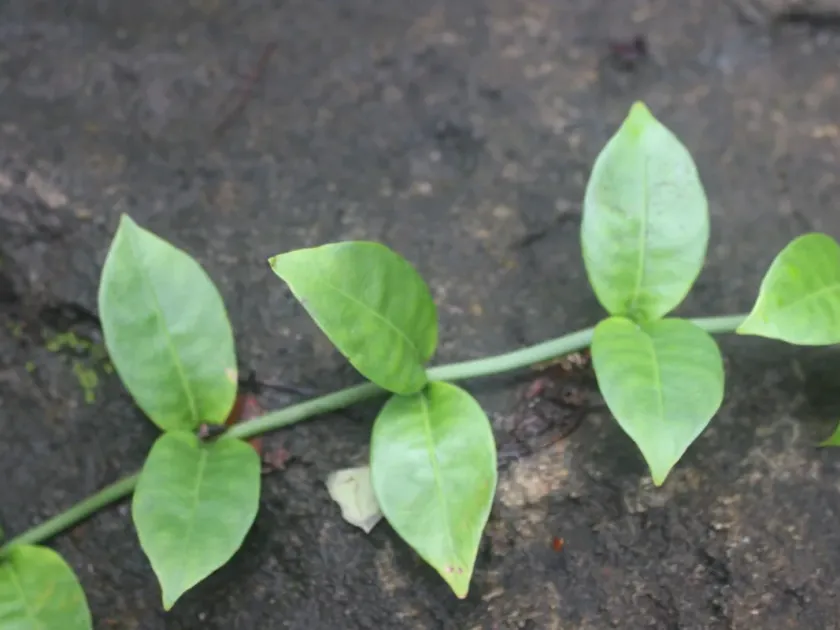
Description
Growing requirements
Psychotria dubia is a member of the diverse Rubiaceae family, originating from the humid tropical regions of South America. This evergreen shrub is characterized by its specific foliage structure and adaptation to forest understory environments.
The plant thrives in conditions with consistently high relative humidity and warm temperatures, typically avoiding direct, harsh sunlight. In controlled environments, it prefers bright, filtered light to maintain healthy leaf pigmentation and growth rates.
Growing media should be well-draining, rich in organic matter, and possess a slightly acidic profile. Achieving a balance between sufficient moisture retention and aeration is crucial, as the root system is highly sensitive to waterlogging.
Agronomic maintenance includes routine fertilization during the growing season using balanced nutrients. Pruning may be necessary to shape the shrub and encourage denser branching, while irrigation must be performed using soft, non-alkaline water.
The primary use of Psychotria dubia is ornamental and botanical, serving as a specimen plant in specialized greenhouse collections. It serves as an excellent subject for studying tropical vegetation structures due to its unique growth habits.
Main diseases and pests
The most common pest issue is the spider mite, which thrives in indoor environments with low humidity, causing potential damage to the leaf epidermis.
Mealybugs can also pose a significant threat, often hiding in leaf axils and extracting essential nutrients from the plant's vascular system.
Fungal root rot represents a major physiological threat usually resulting from poor drainage or excessive soil moisture levels during dormant periods.
Leaf spot pathogens can proliferate if air circulation is inadequate, leading to discolored lesions that weaken the structural integrity of the foliage.
Effective management requires a combination of good sanitation practices, controlled humidity levels, and regular monitoring for early signs of infestations.