
Psychotria calva
Psychotria calva
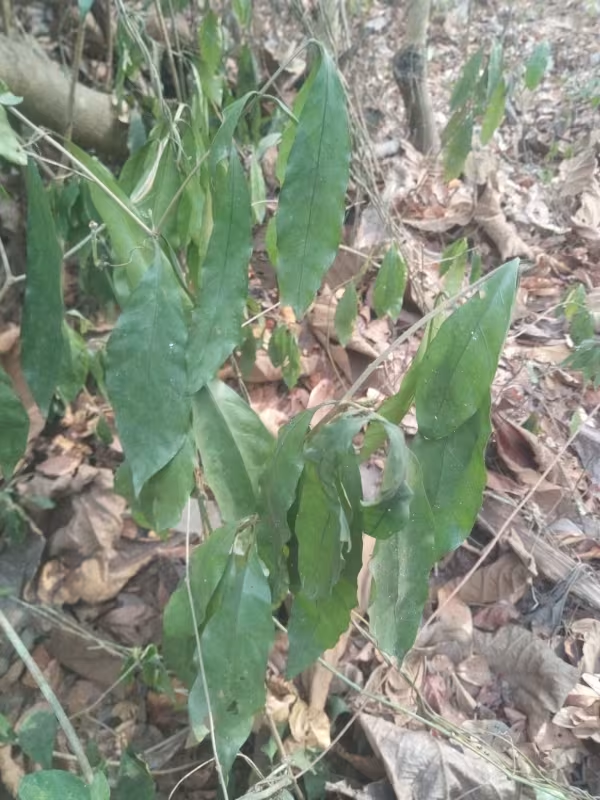
Description
Growing requirements
Psychotria calva is a tropical shrub belonging to the Rubiaceae family. It is recognized for its specific ecological requirements, mirroring the humid and shaded conditions of its native tropical rainforest habitats.
The plant thrives in warm environments, requiring temperatures between 22 and 28 degrees Celsius to maintain healthy growth. Exposure to cold drafts or temperatures dropping significantly below 20 degrees can result in plant stress.
Humidity is the most critical factor for successful cultivation. High levels of moisture in the air are essential, often requiring the use of misting systems or pebble trays in indoor settings to prevent dehydration.
The soil medium should be highly porous, moisture-retentive, and acidic. A blend containing sphagnum peat, perlite, and well-rotted organic matter is ideal for ensuring root respiration and nutrient availability.
Bright, indirect light is necessary for photosynthesis without the risk of leaf scorching. Positioning the plant in a shaded greenhouse or away from direct sun beams is a standard requirement for this species.
Main diseases and pests
Spider mites are the most common pest for Psychotria calva, particularly when humidity levels are not properly maintained. Regular misting and leaf cleaning are effective preventive measures against these pests.
Root rot, caused by overwatering and poor drainage, remains the primary threat to the overall longevity of the plant. A deep, well-draining container is vital to prevent water from pooling around the root system.
Mealybugs may infest the stems and leaf axils of the plant. If detected early, physical removal or localized treatment with horticultural soaps can effectively manage the infestation.
Fungal leaf spot diseases may appear if the foliage remains wet for extended periods in environments with poor air circulation. Improving airflow is key to preventing the spread of such pathogens.
Nutrient deficiencies, specifically nitrogen or magnesium, can inhibit growth and cause foliage discoloration. A consistent fertilization schedule during the growing season is necessary to sustain plant vigor.