
Psychotria asiatica
Psychotria asiatica
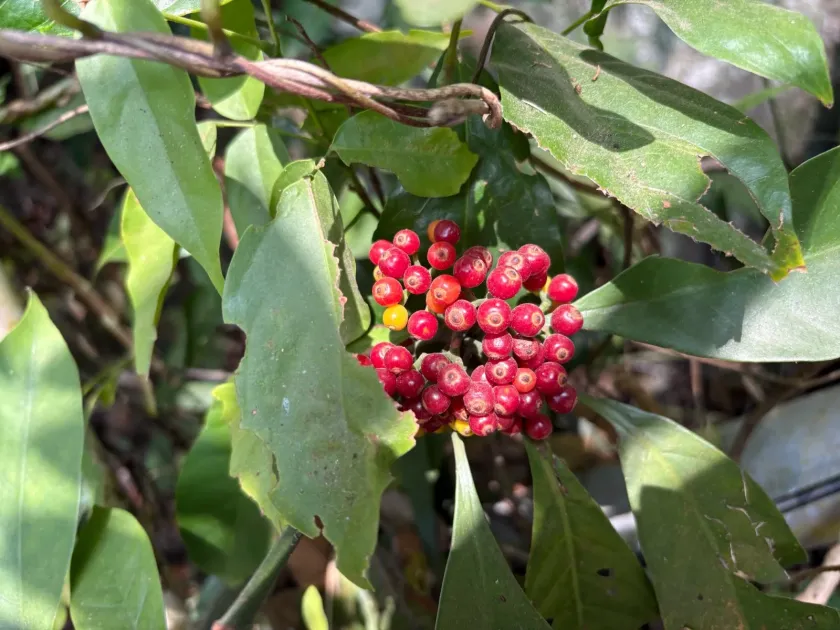
Description
Growing requirements
Psychotria asiatica is a notable species within the Rubiaceae family. This evergreen shrub is native to the tropical and subtropical regions of Southeast Asia, where it thrives in the humid understory of dense forest ecosystems.
The plant requires a strictly controlled climate to flourish, with temperatures ideally ranging between 20°C and 28°C. Being a tropical species, it possesses no frost tolerance, making greenhouse cultivation mandatory in colder climate zones.
Soil structure is critical for this species; it requires well-draining, nutrient-rich soil with a slightly acidic to neutral pH. A mix of peat, perlite, and organic compost is usually recommended to balance moisture retention and aeration for the roots.
Environmental management involves maintaining a high level of atmospheric humidity, often exceeding 60-70%. Regular misting or the use of automated humidification systems is necessary to replicate the natural forest atmosphere from which it originates.
Propagation is typically performed via semi-hardwood cuttings during the active growing season. This method ensures a higher success rate compared to seed germination, which requires precise heat matting and high-humidity incubation environments.
Main diseases and pests
The primary pests affecting Psychotria asiatica include spider mites and mealybugs, which thrive in low-humidity environments. Integrated pest management strategies are advised to prevent infestations without damaging the foliage.
Fungal issues, particularly root rot, are common if irrigation frequency is not monitored closely. Ensuring that the potting container has adequate drainage holes and avoiding stagnant water are the best defenses against pathogenic fungal outbreaks.