
Psychotria capensis
Psychotria capensis
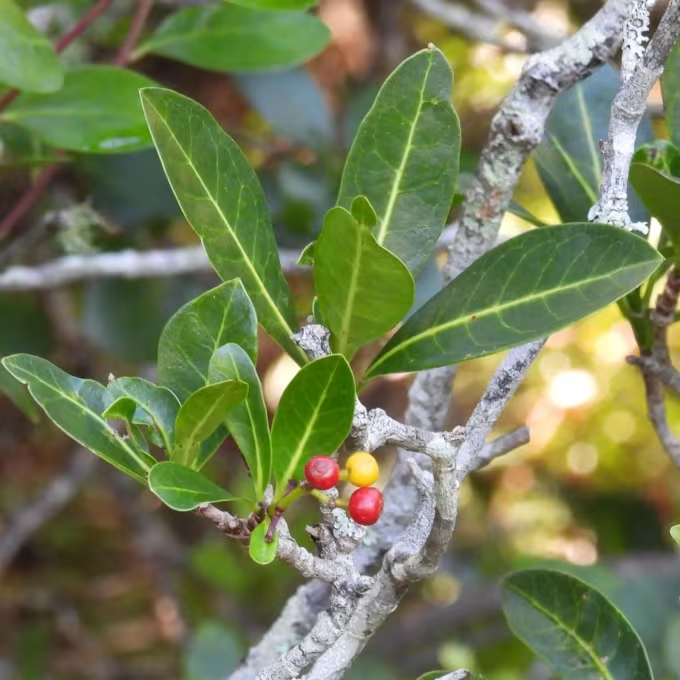
Description
Growing requirements
Psychotria capensis is a prominent member of the Rubiaceae family, commonly found in the forest understories of Southern Africa. As a robust evergreen shrub, it adapts well to humid subtropical climates.
The soil requirements for this species include high organic content and excellent drainage. It thrives in loamy soils that can maintain a consistent level of moisture without becoming waterlogged, which is critical for root health.
Regarding climate, this plant prefers locations with moderate to high temperatures and protection from harsh, direct sunlight. It is highly valued for its ability to grow in shaded areas where other decorative species might struggle.
Regular irrigation is necessary to support its growth, especially during dry spells. However, it is essential to allow the top layer of the soil to dry slightly between waterings to prevent the development of root-related issues.
Economically, Psychotria capensis serves as a valuable asset for landscaping and botanical garden collections. Its dense foliage and ornamental berries provide aesthetic value, making it a popular choice for warm-climate hedge cultivation.
Main diseases and pests
Common pests affecting Psychotria capensis include scale insects, which attach themselves to stems and leaves. These pests extract sap and can significantly weaken the shrub if not controlled by systemic insecticides.
Mealybugs are another frequent threat, often congregating in leaf axils. They produce a waxy coating that protects them, making them difficult to eradicate without diligent manual removal and targeted spray treatments.
Leaf spot pathogens, such as Cercospora species, are known to infect the foliage under conditions of high humidity and poor ventilation. Pruning to improve airflow is a primary cultural control method.
Root rot caused by Phytophthora species is often the result of improper watering practices. Prevention involves ensuring that planting sites are well-drained and that mulch does not pile up directly against the trunk.
Regular monitoring for signs of stress, such as yellowing leaves or stunted growth, is vital for early detection. Maintaining a healthy environment is the most effective defense against the majority of potential pathogens.